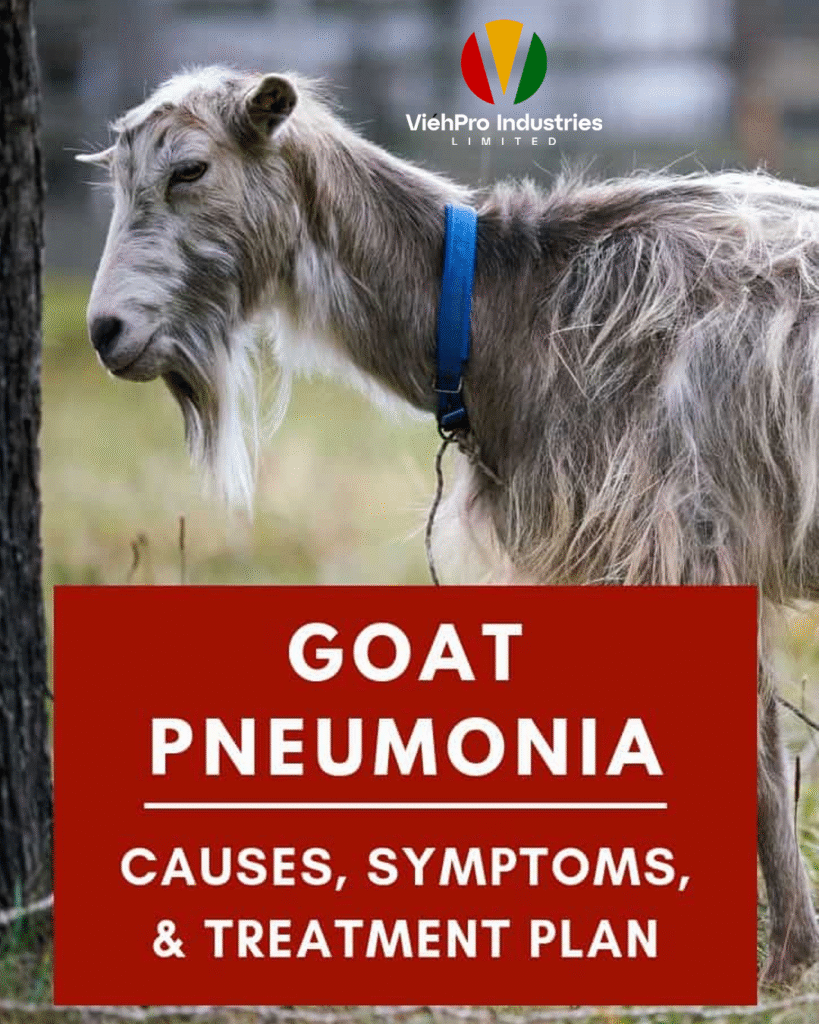
Pneumonia is one of the leading causes of death in goats—and often strikes fast. Knowing how to identify and respond early can save your animals and your farm from heavy losses.
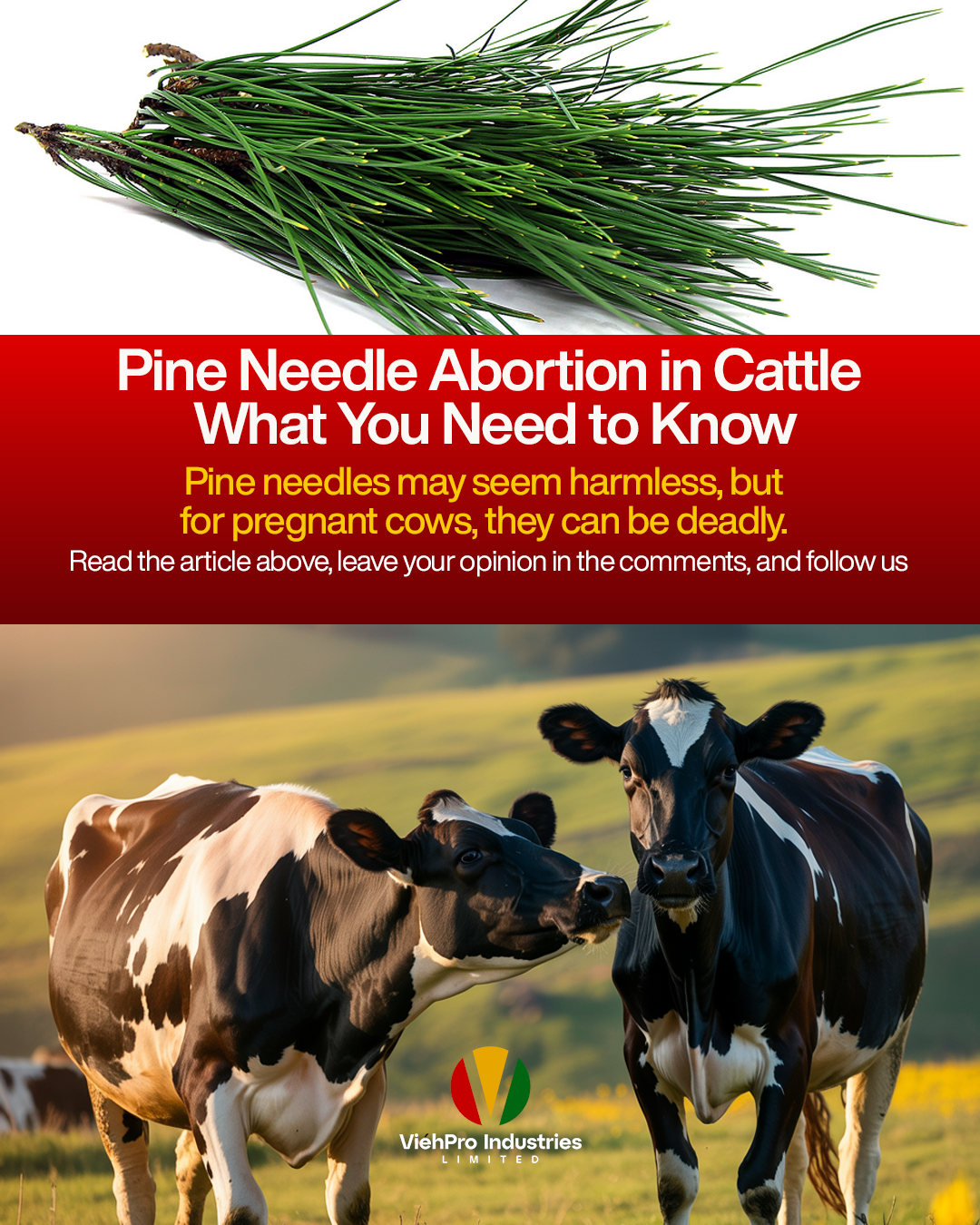
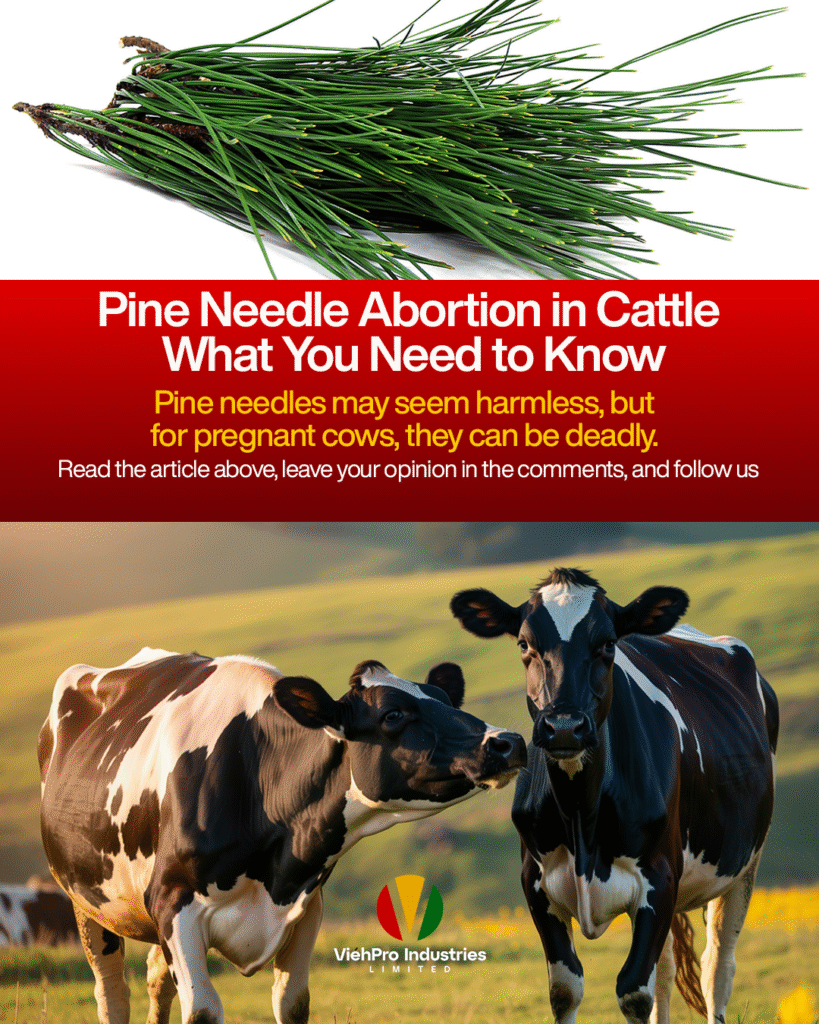
Pine needles may seem harmless, but for pregnant cows, they can be deadly.
When consumed in large amounts, especially during the last trimester of pregnancy, pine needles can cause late-term abortions in cattle.
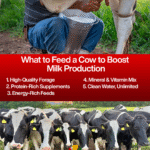
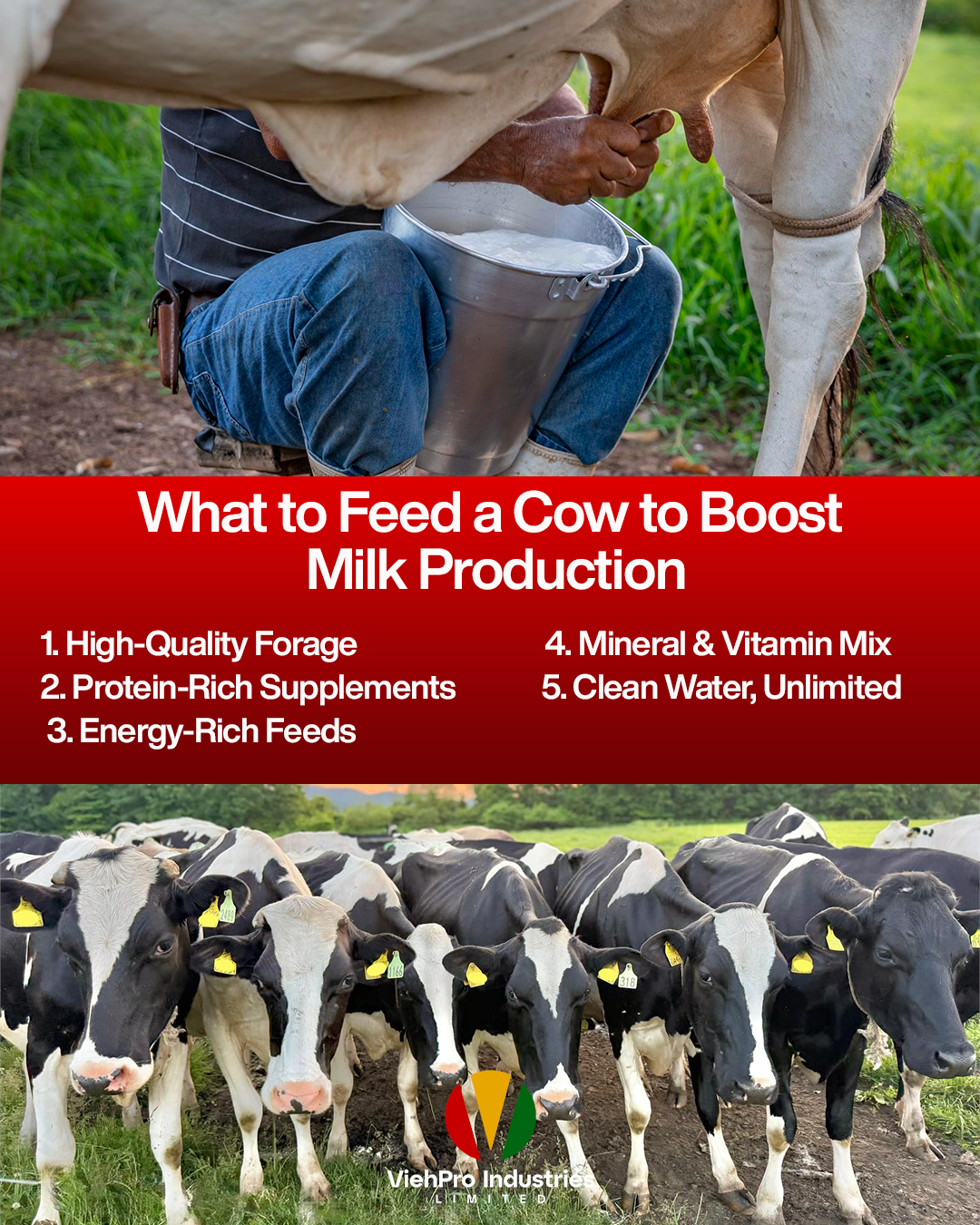
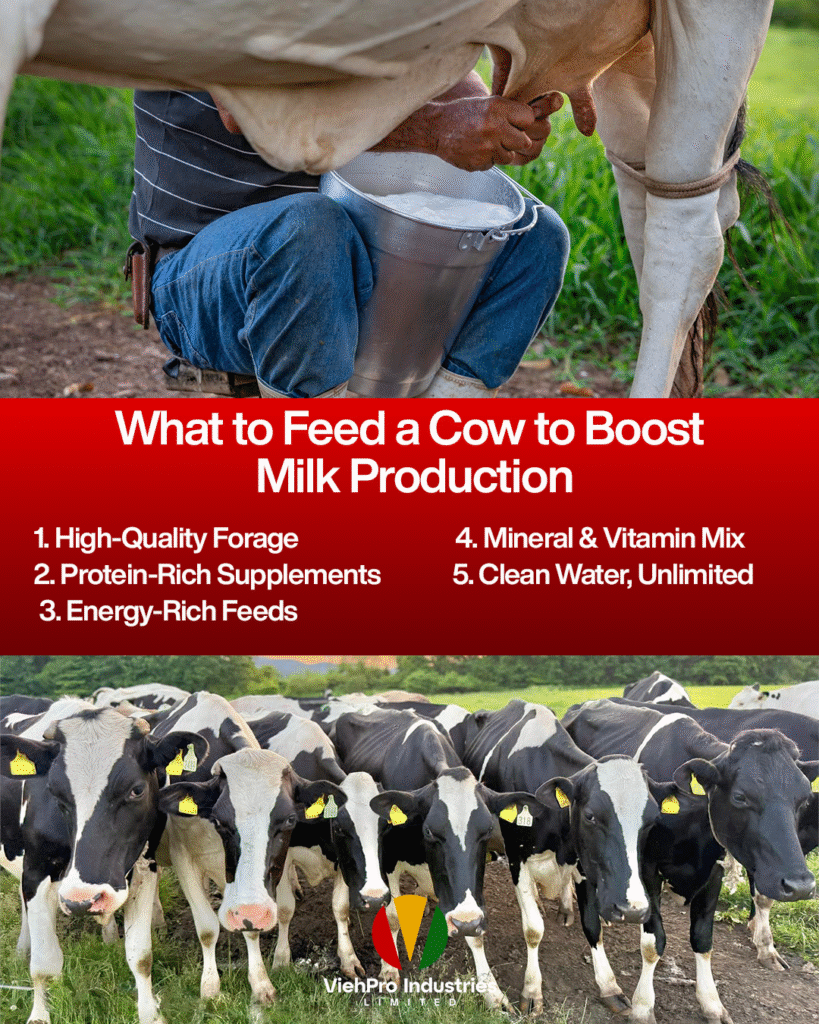
If you want more milk from your cow, it starts with the plate, not the udder. Feeding isn’t just about quantity, it’s about quality, balance, and timing.
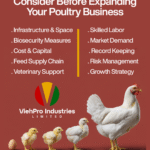
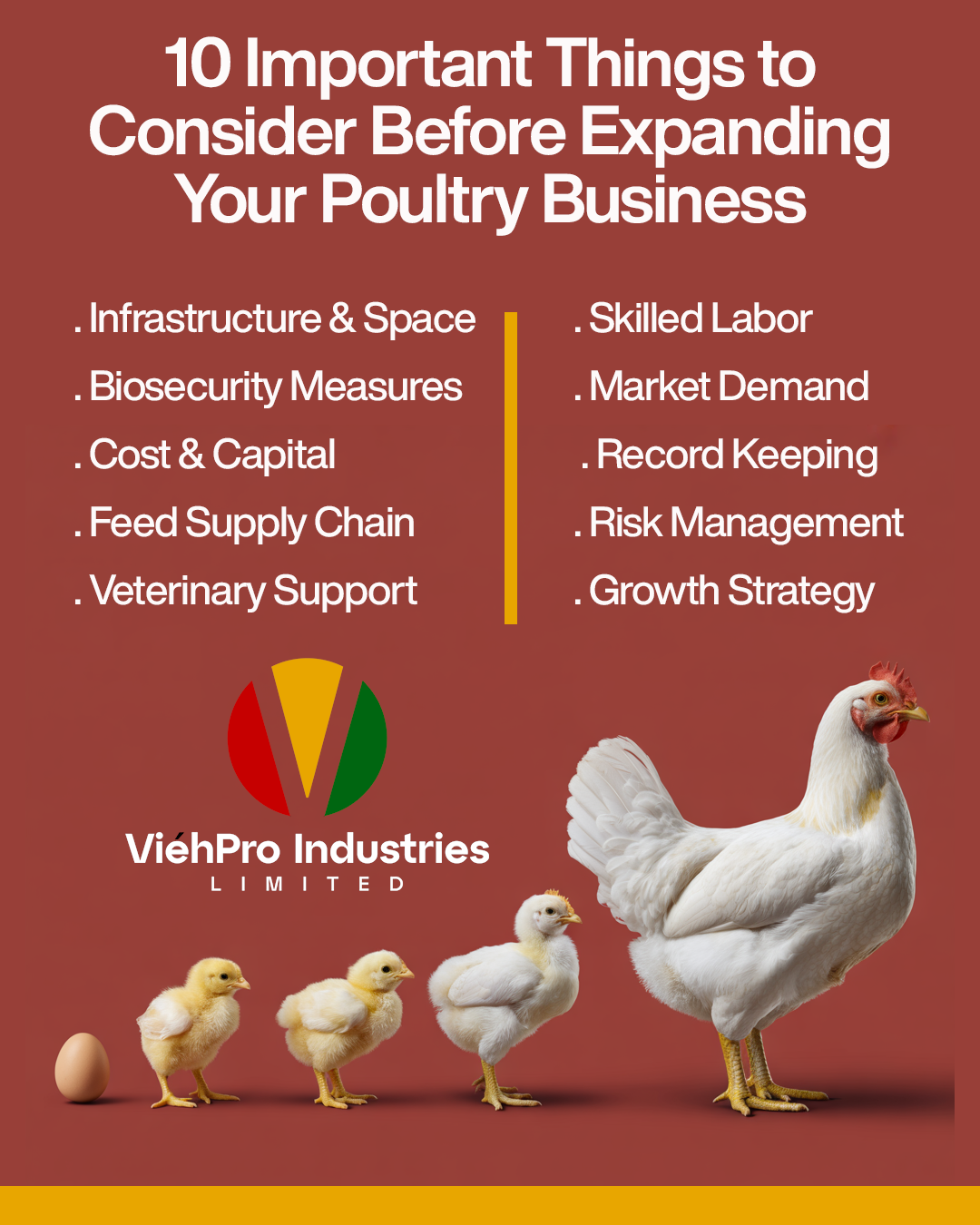
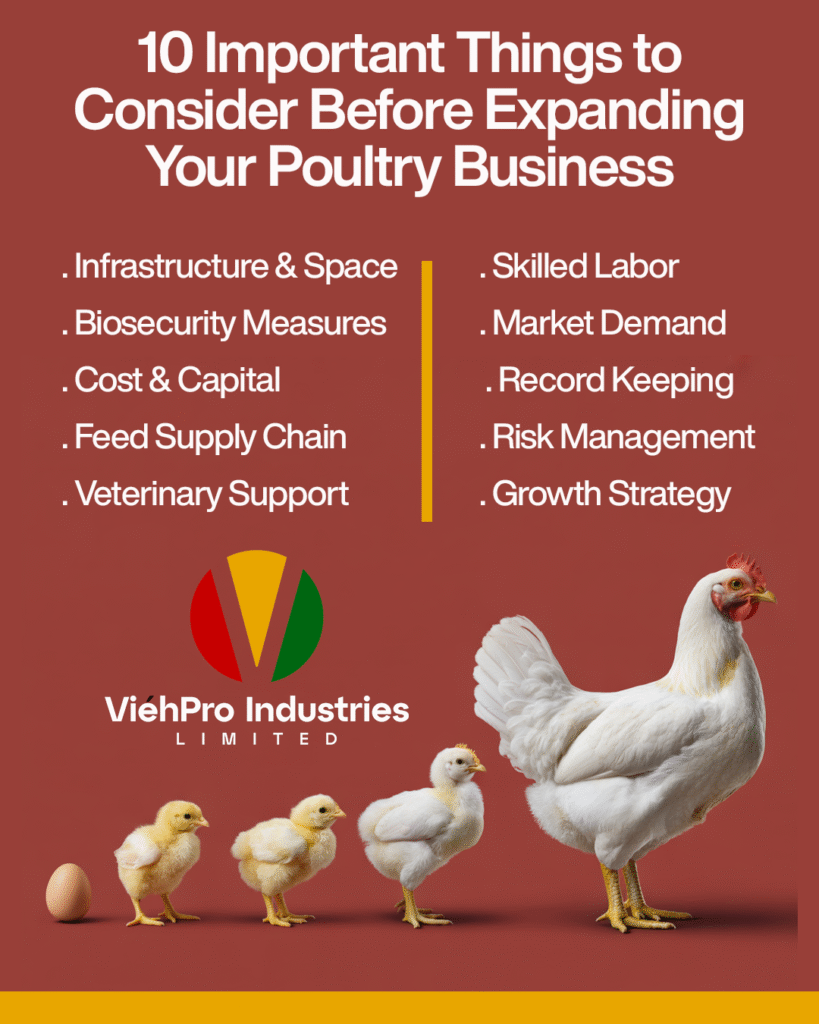
Expanding your poultry business can be rewarding, but only if it’s well thought out. Scaling without a strategy can turn profit into pressure. Here’s what you need to get right before growing your flock:
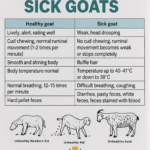
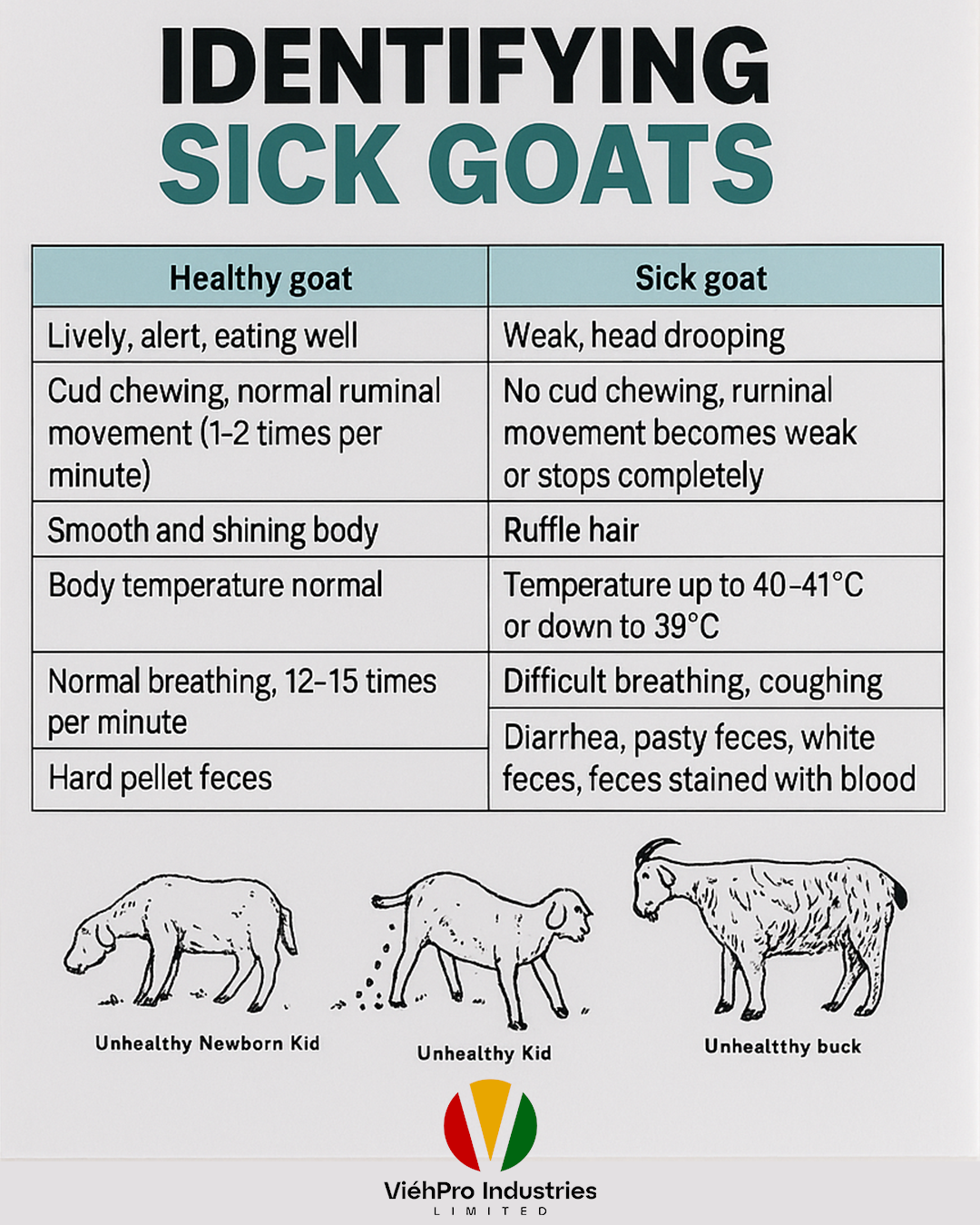
When it comes to livestock, early detection saves lives. Goats, like many animals, often hide signs of illness until the condition becomes serious. As a farmer, knowing how to tell a healthy goat from a sick one can make all the difference.
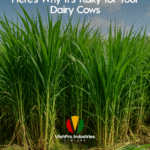
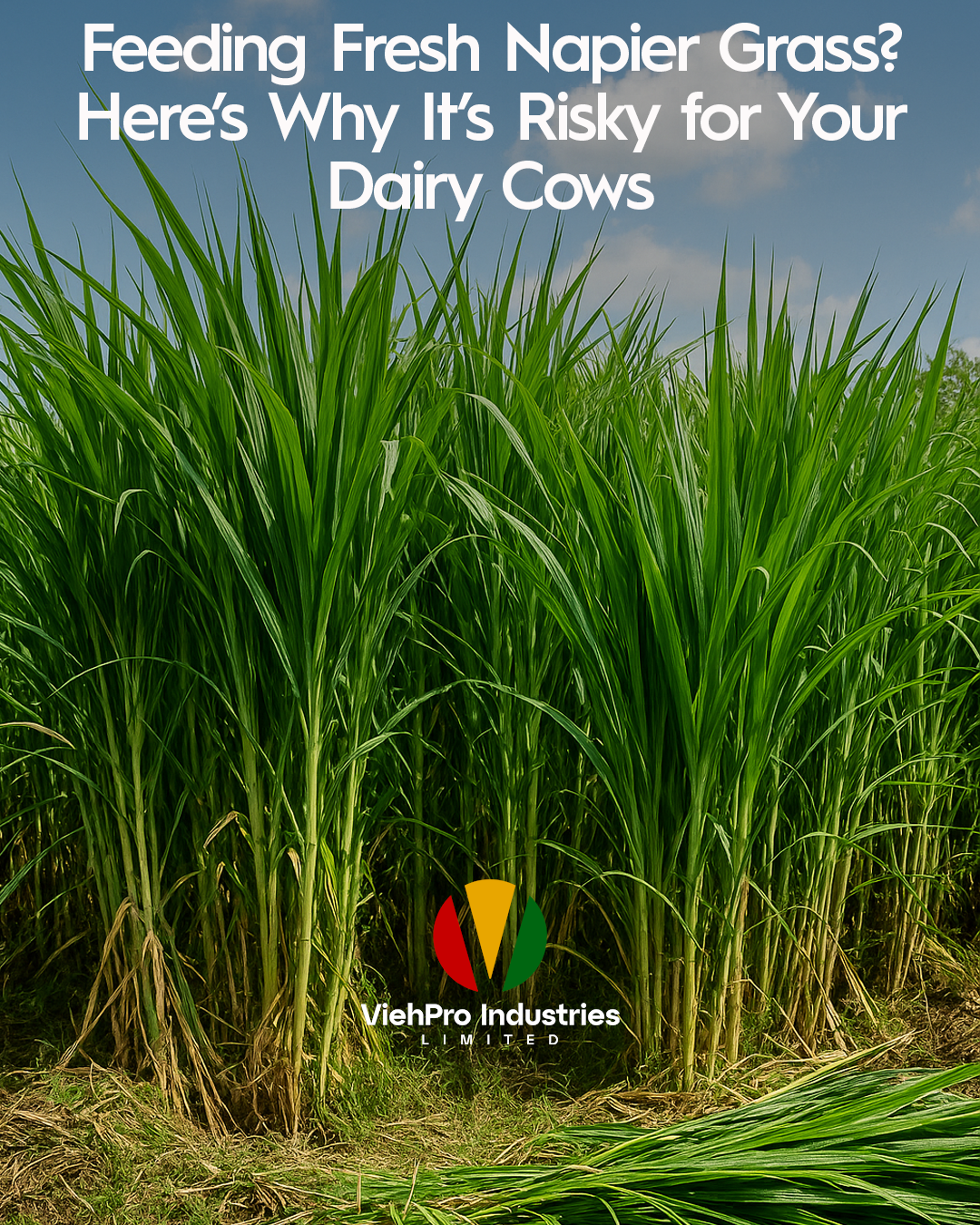
Many dairy farmers unknowingly make a costly feeding mistake: offering freshly cut Napier grass straight from the field to their cows. It looks fresh. It smells good. But it's not ready for feeding.
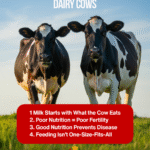
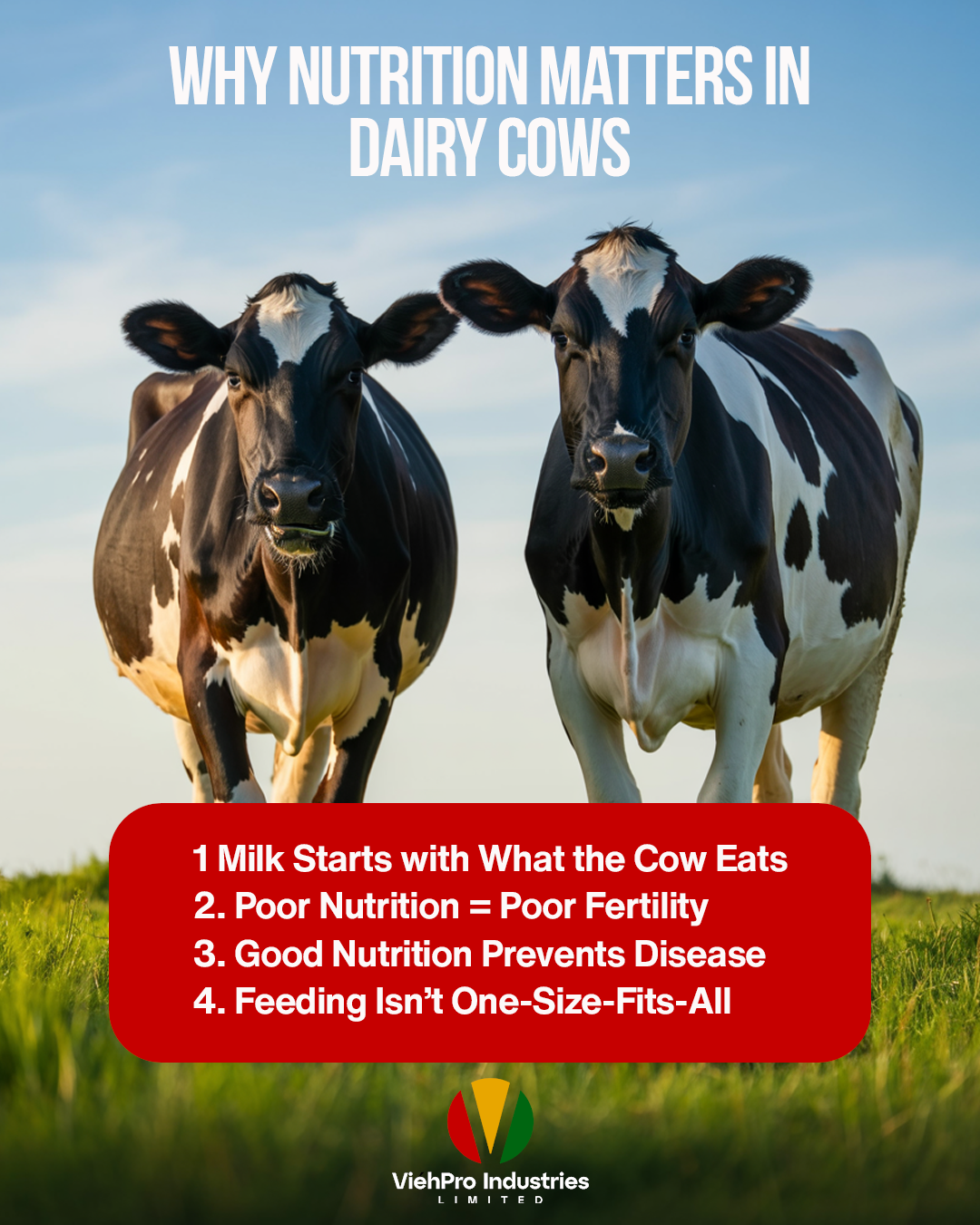
Dairy farming success doesn’t start at the milking bucket, it starts in the feeding trough. Many farmers expect high milk yields without realizing that proper nutrition is the backbone of a productive, healthy cow.
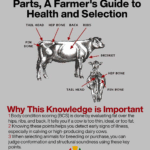
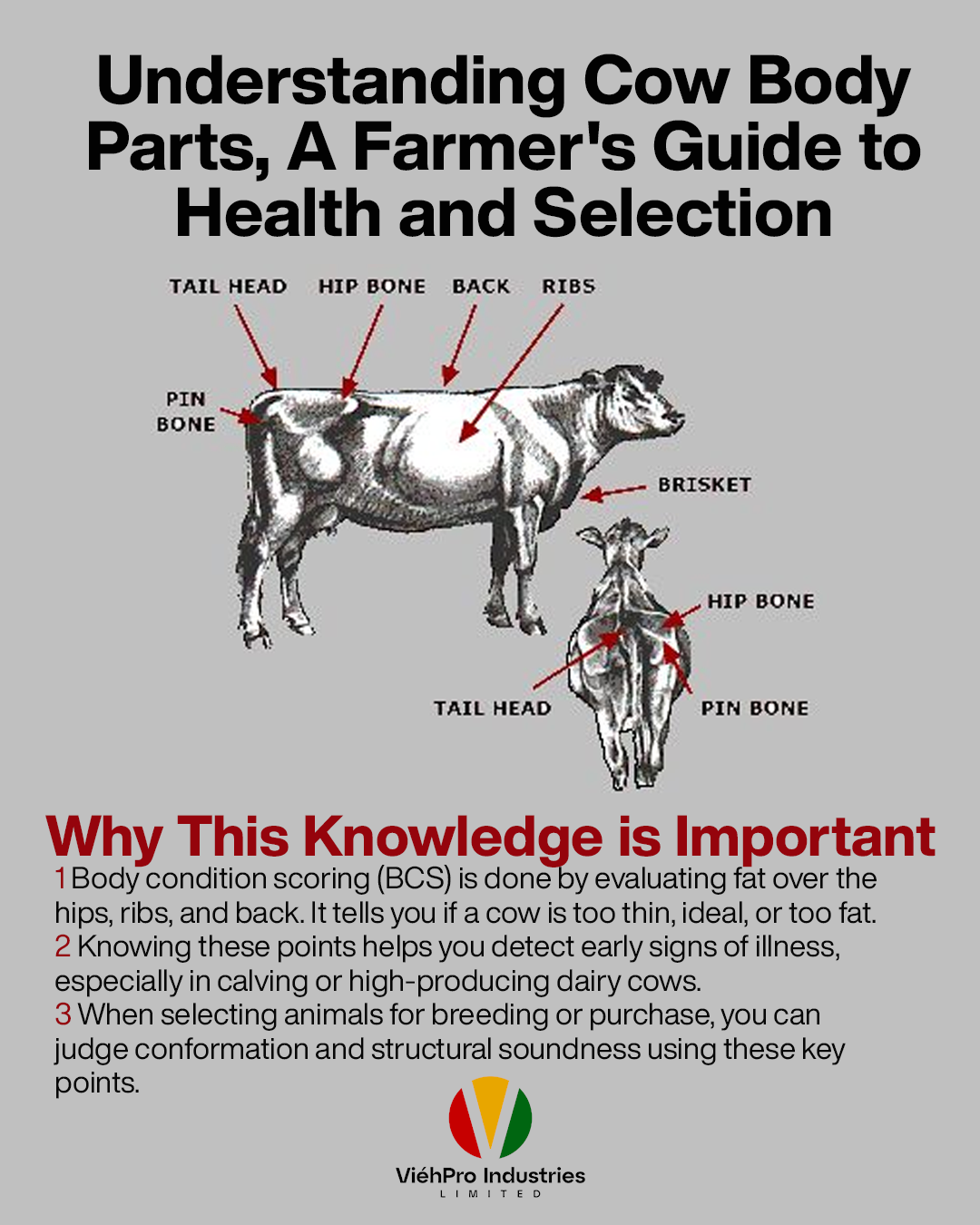
Every successful livestock farmer needs to understand the key external parts of a cow's body. Why? Because knowing these parts helps you monitor health, assess condition, and select better animals for breeding, selling, or keeping in your herd.
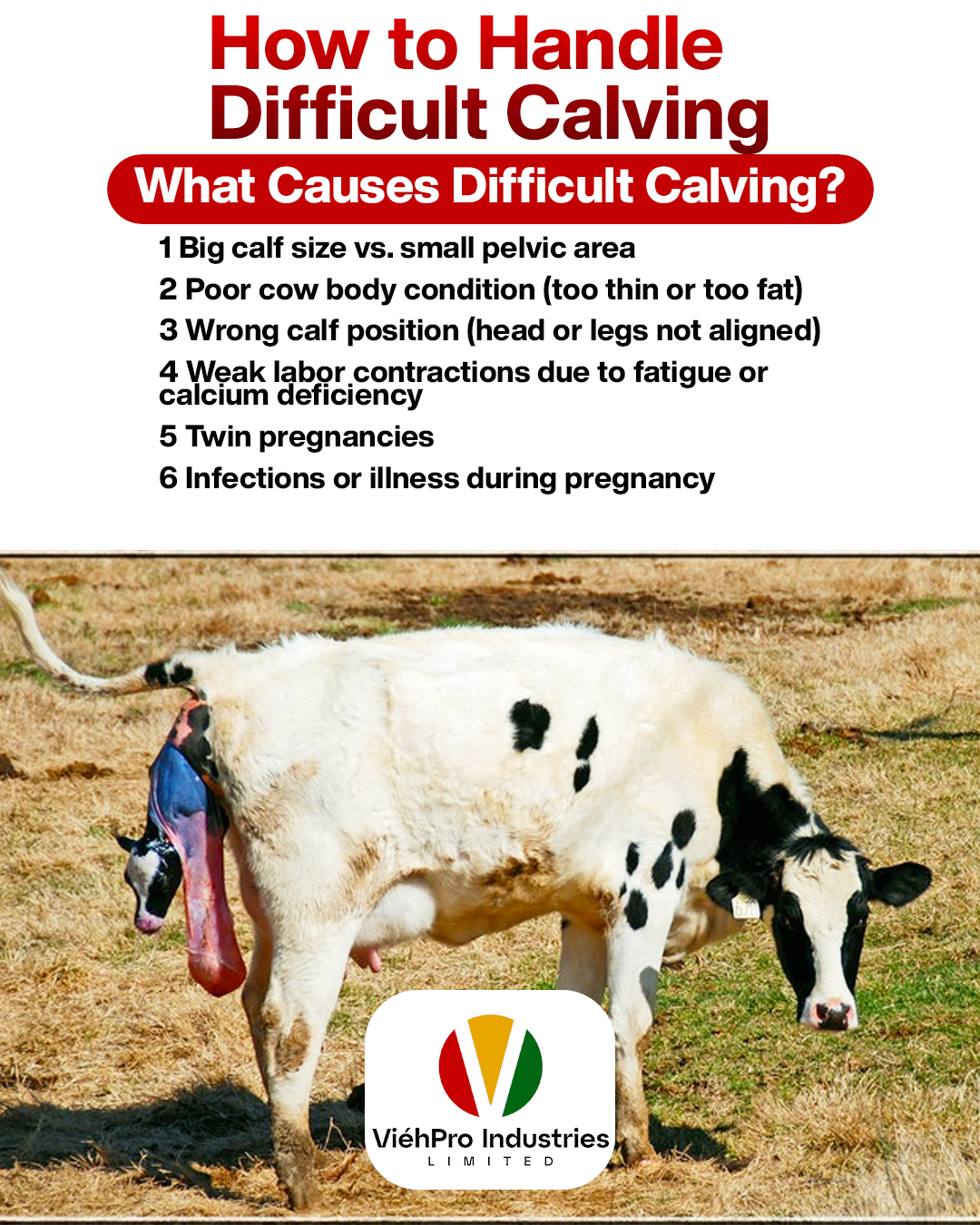
Calving is one of the most important—and sometimes most stressful, moments on a farm. While most cows deliver with no help, difficult calving (dystocia) can happen and must be handled carefully to protect both the cow and calf.
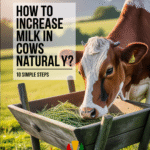
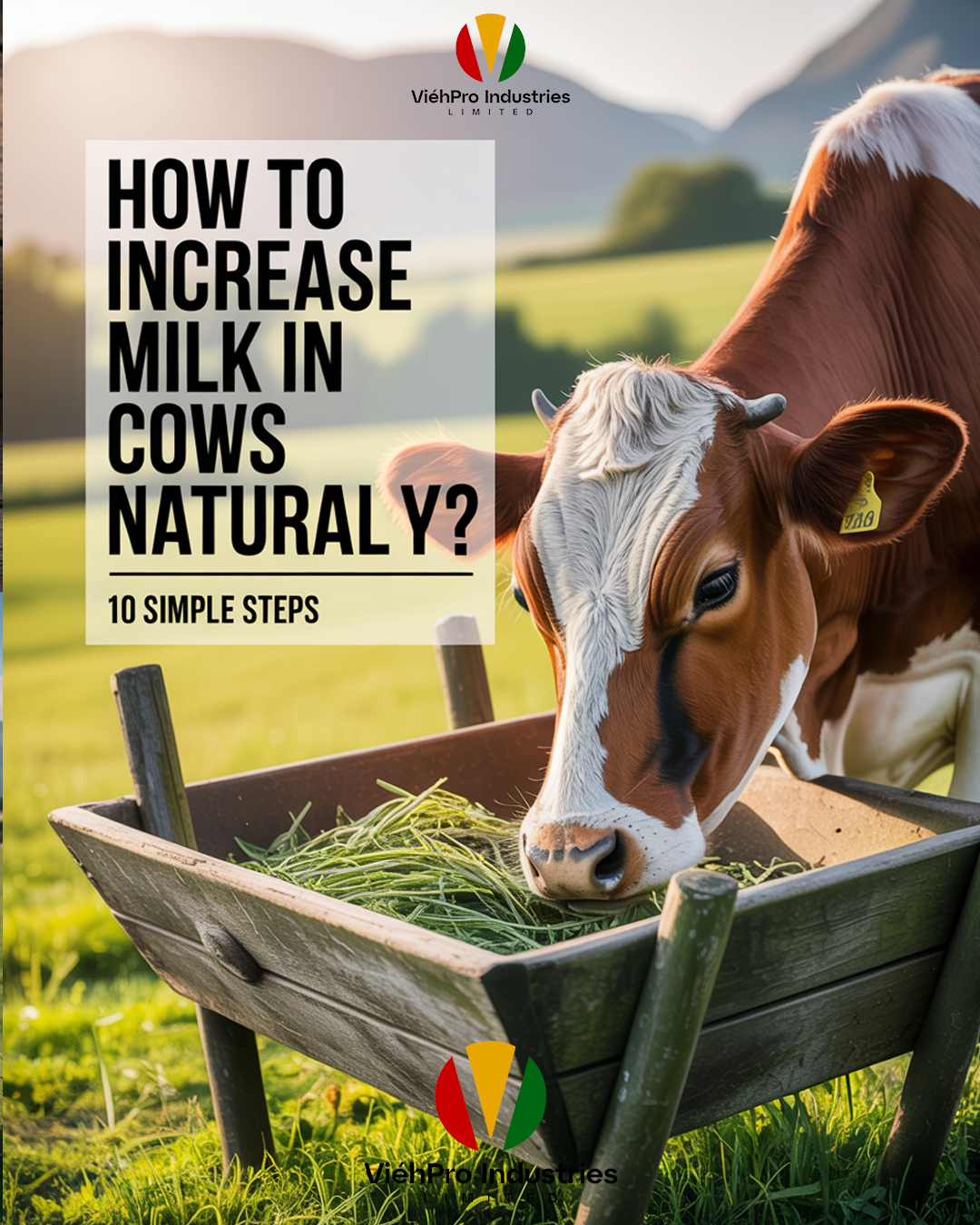
Improving milk yield naturally not only benefits your dairy operation but also ensures better animal welfare. Here are 10 proven steps to increase milk in cows the natural way:
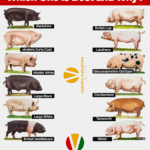
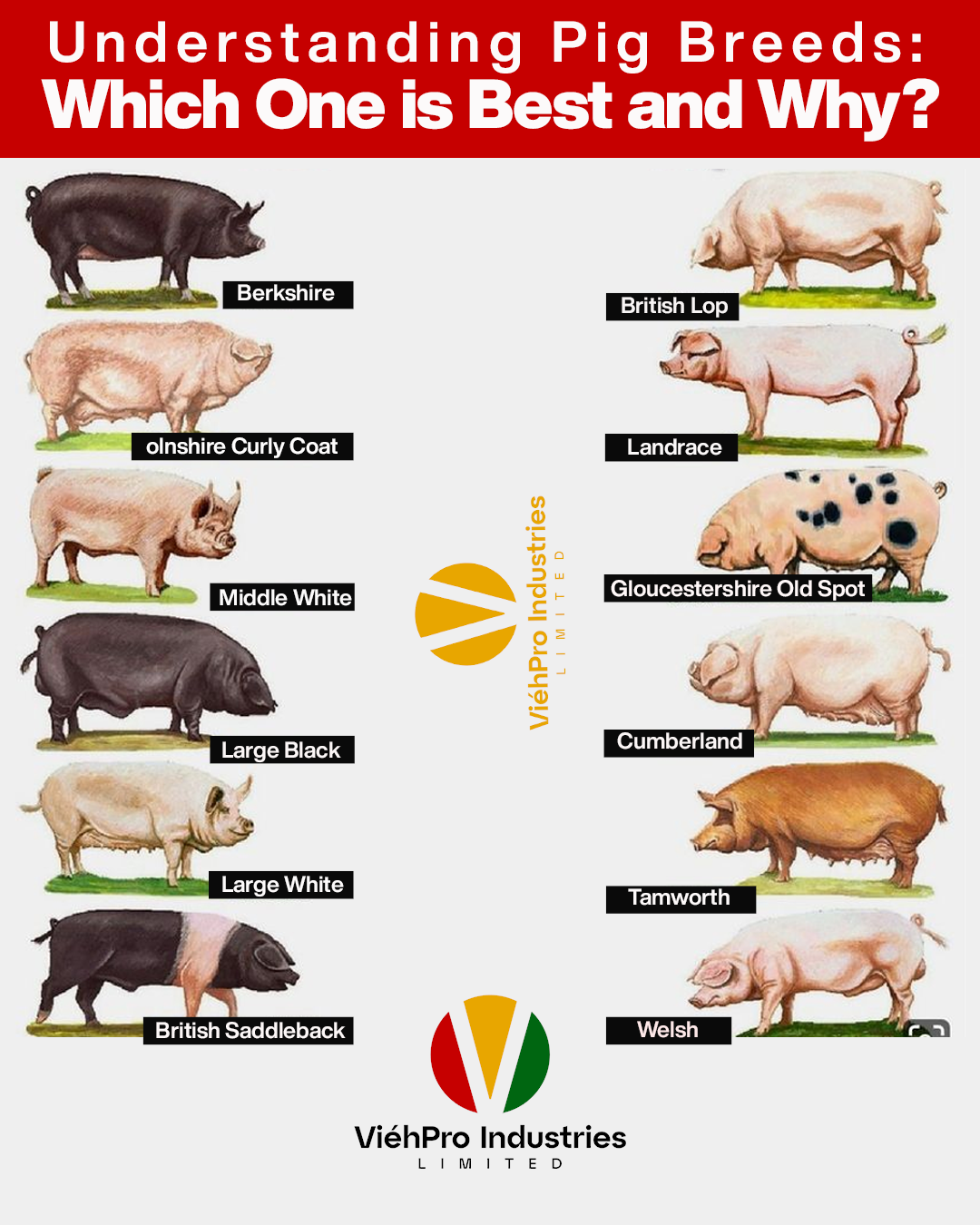
Pigs are a vital part of livestock farming across the world, with various breeds offering unique benefits in terms of meat quality, growth rate, adaptability, and temperament
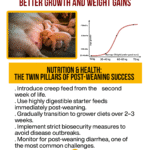
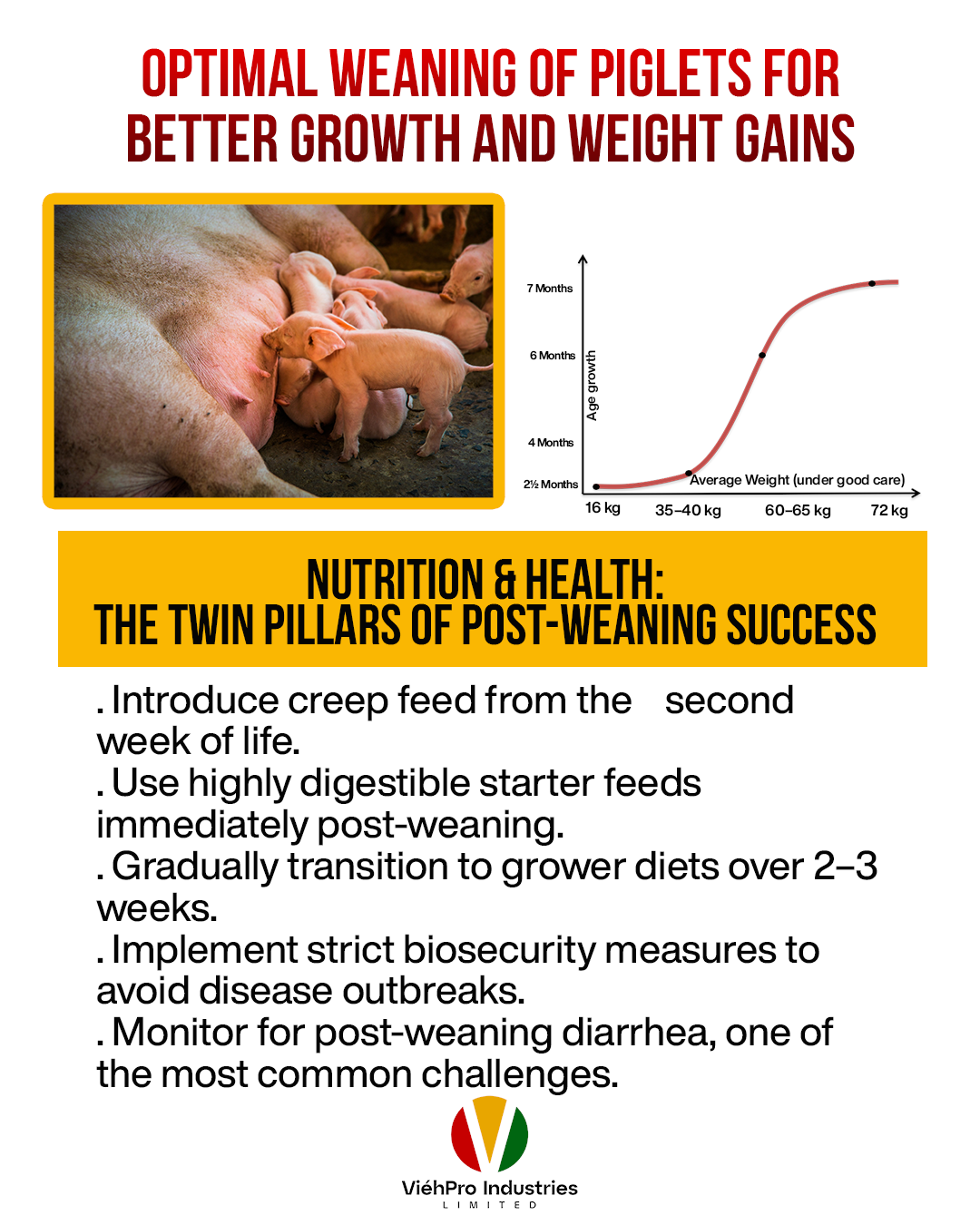
Weaning piglets is a critical management decision that affects growth performance, feed efficiency, health, and overall productivity of your piggery enterprise.
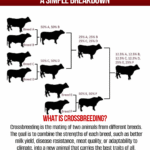
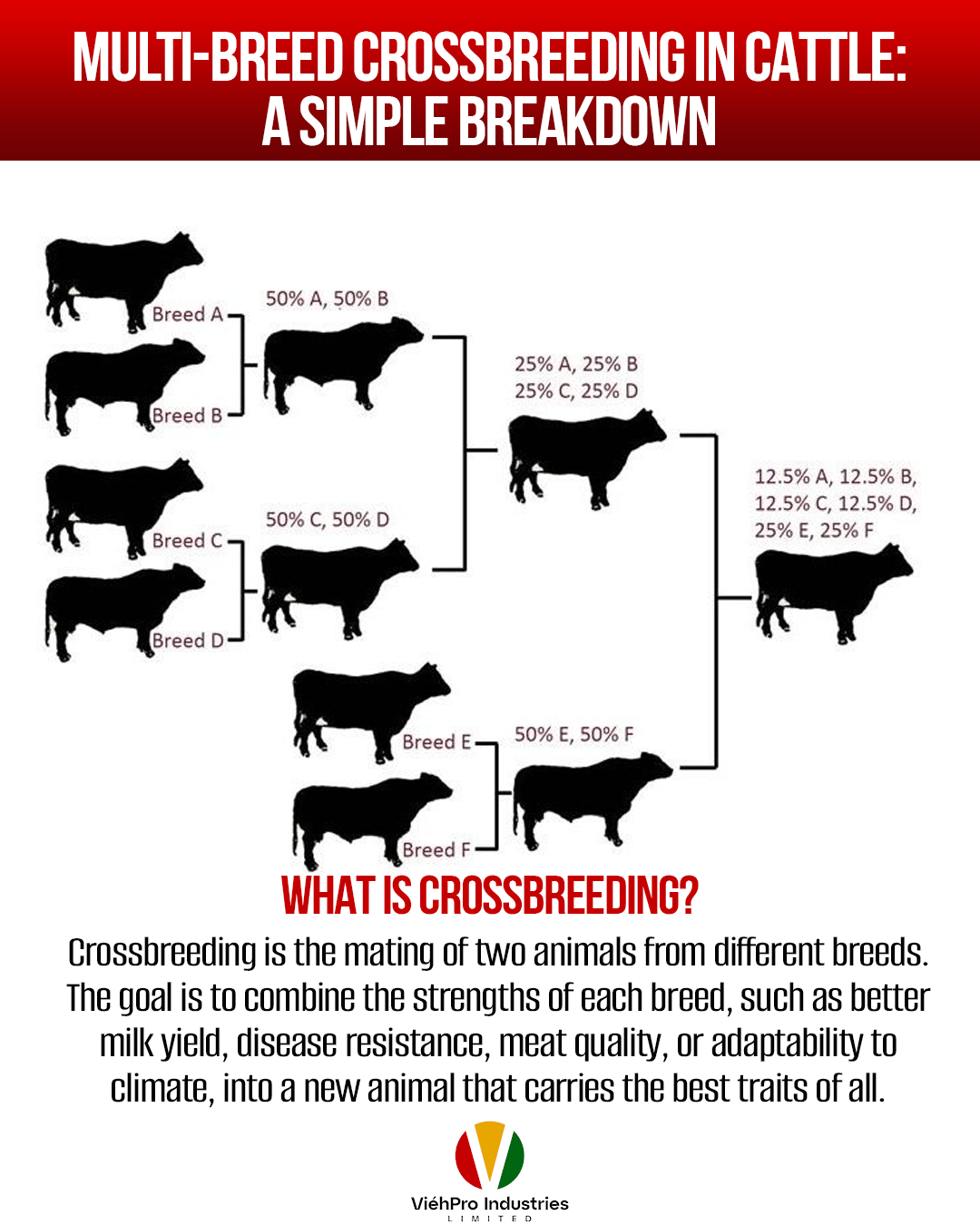
Crossbreeding is the mating of two animals from different breeds. The goal is to combine the strengths of each breed—such as better milk yield, disease resistance, meat quality, or adaptability to climate—into a new animal that carries the best traits of all.
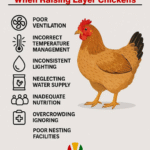
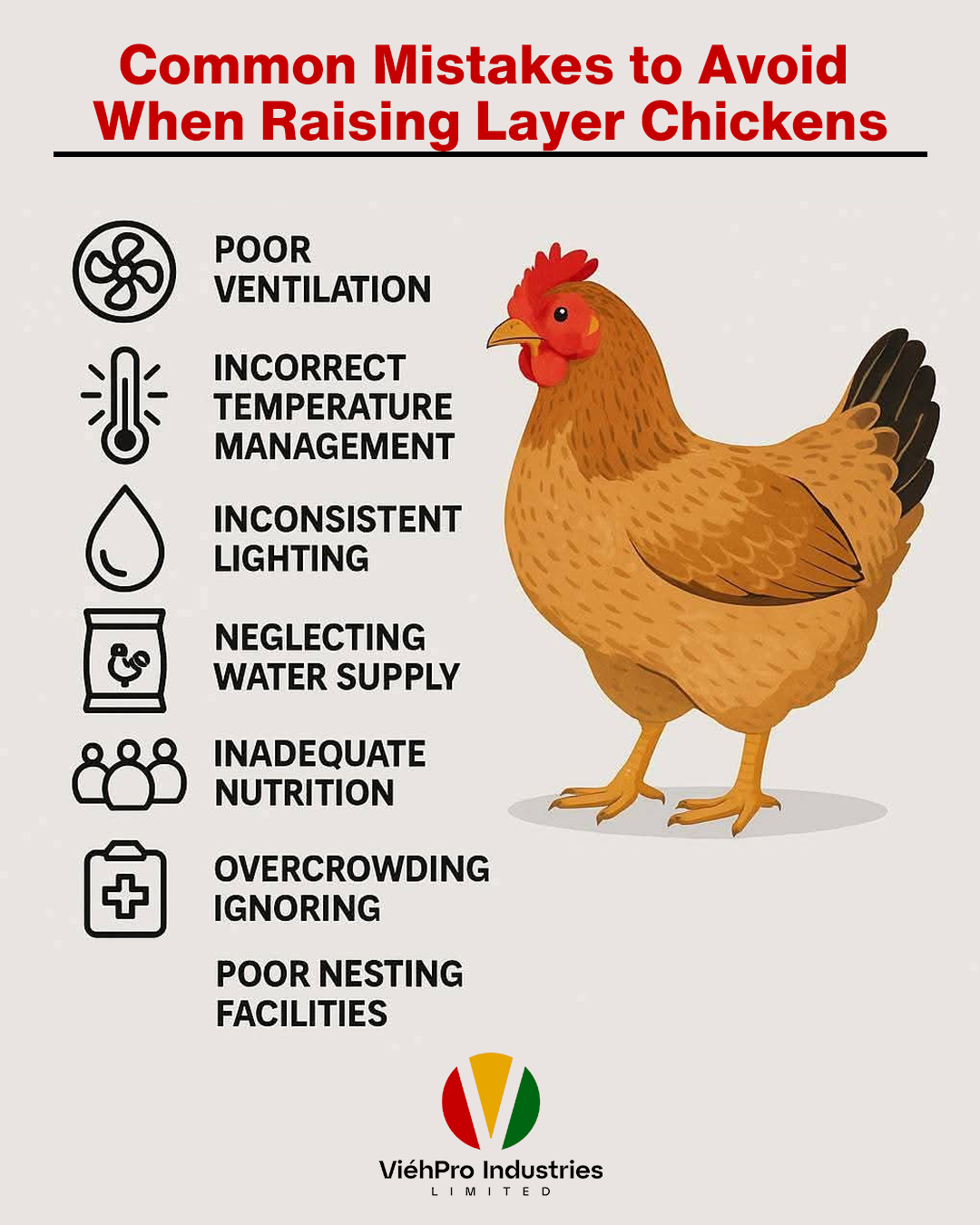
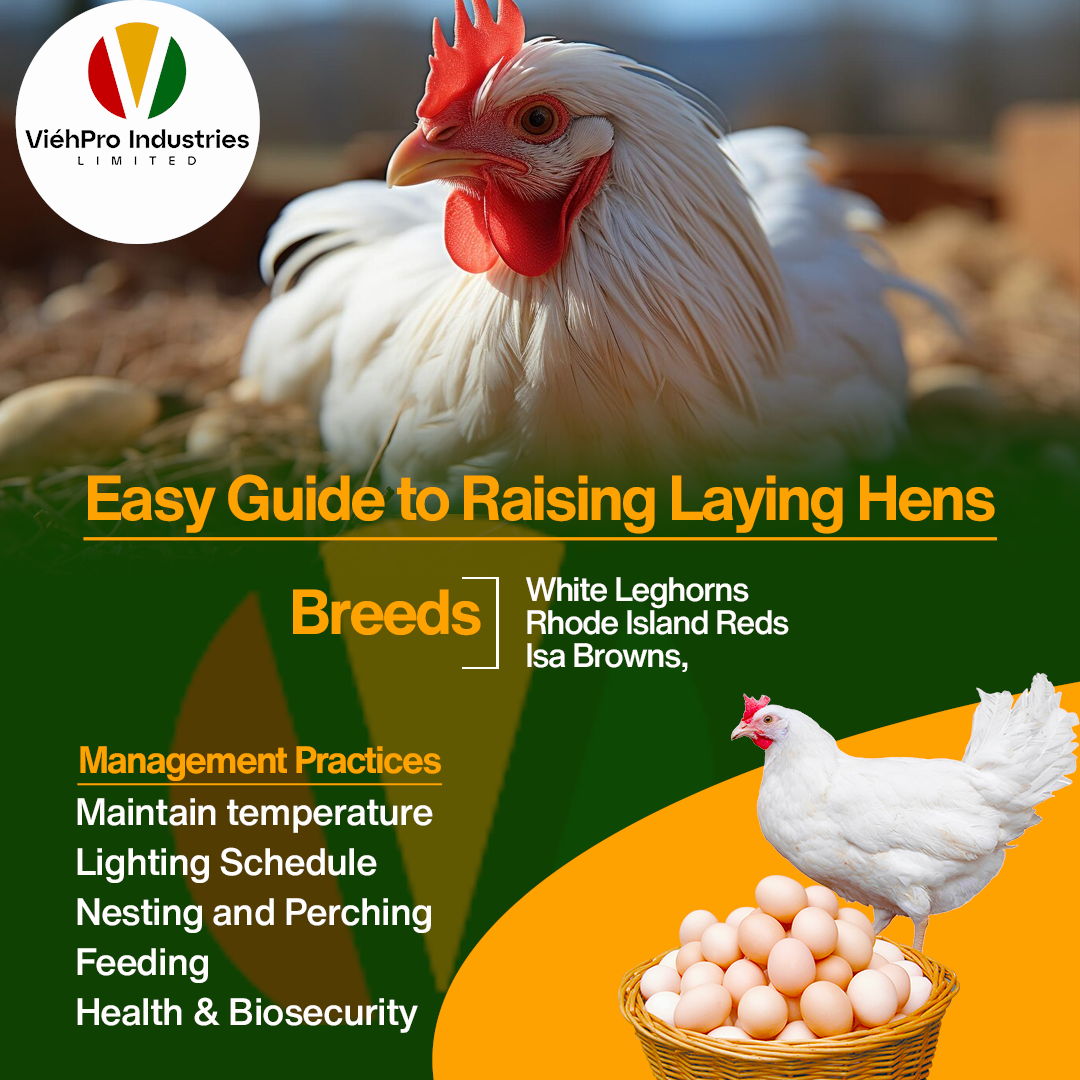
Raising layer chickens can be a rewarding venture, whether for home use or commercial purposes. However, to ensure a healthy and productive flock, it's crucial to avoid some common yet costly mistakes that many poultry farmers make. Here’s a quick guide to help you do just that.
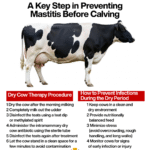
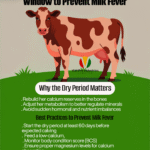
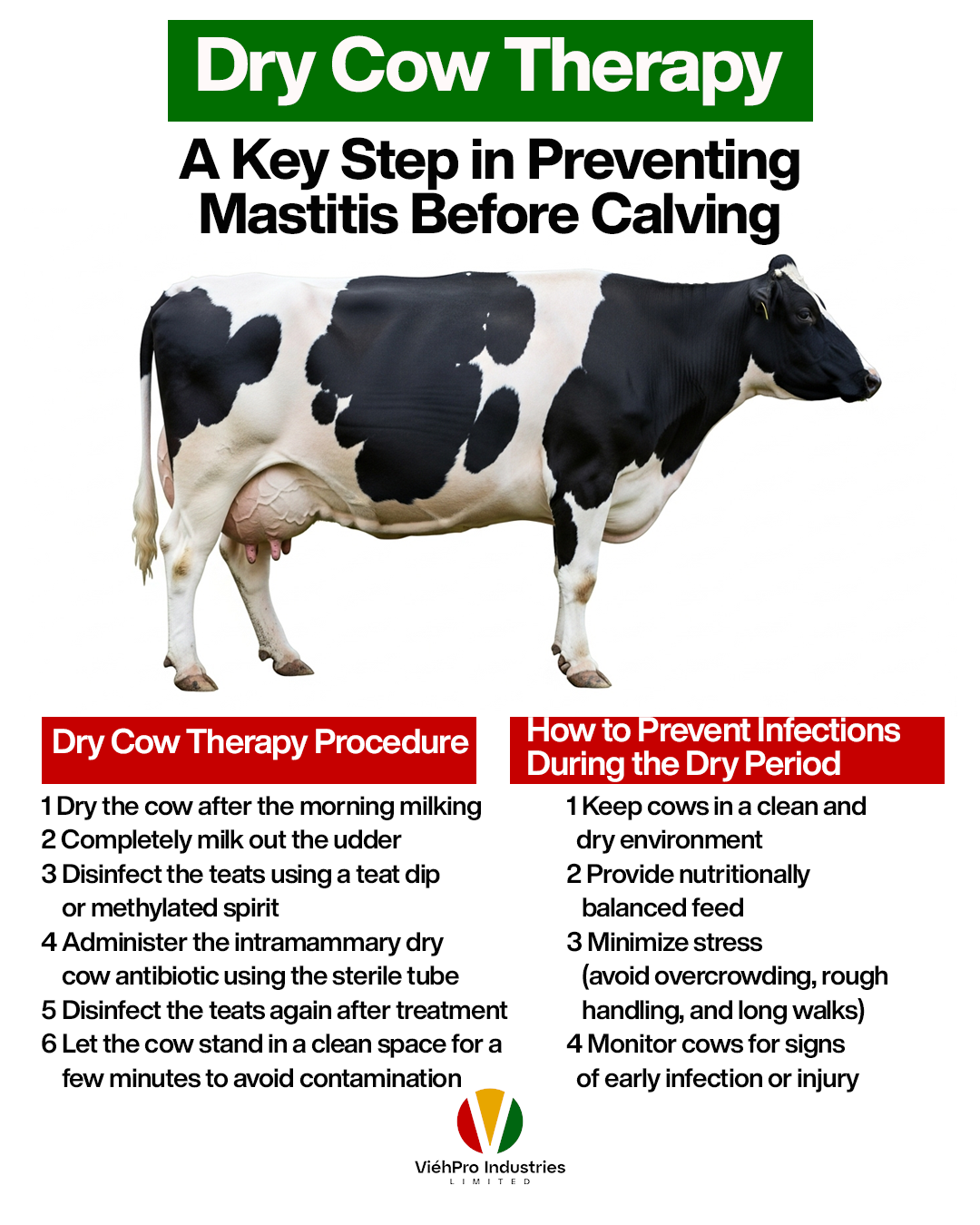
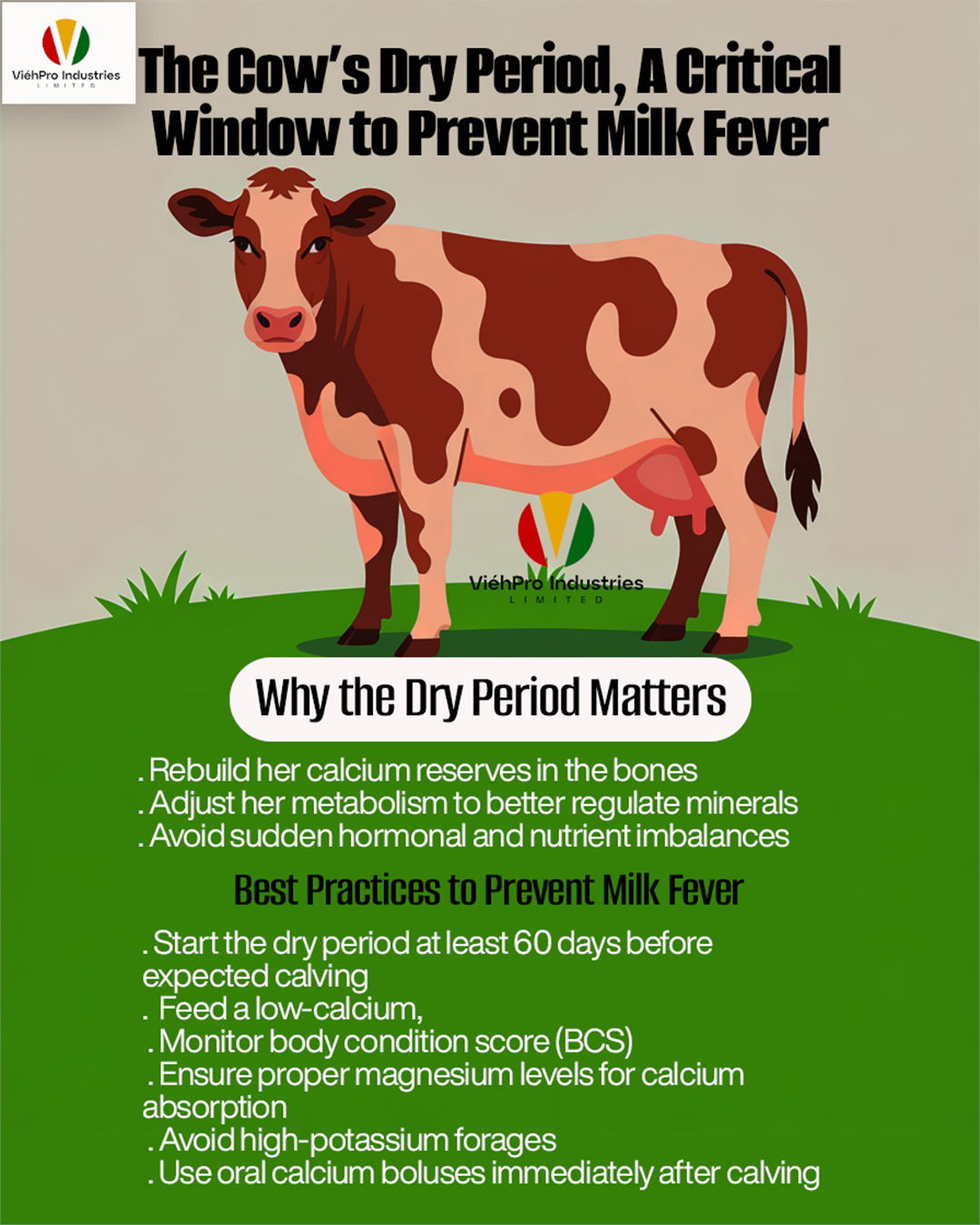
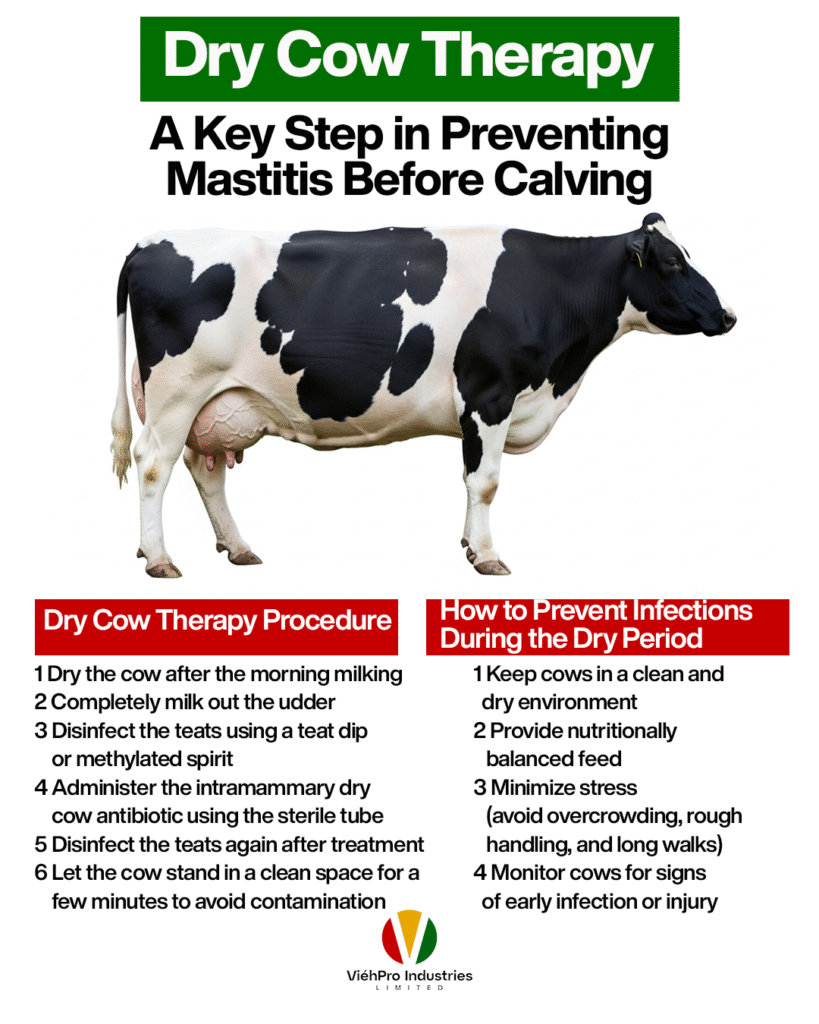
The dry period is the phase when a dairy cow stops producing milk, typically lasting about 6 to 8 weeks (45–60 days) before calving. It’s like a maternity leave for cows, a time for the udder tissue to regenerate and the cow’s body to prepare for the next lactation cycle.
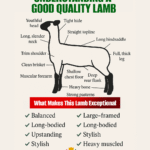
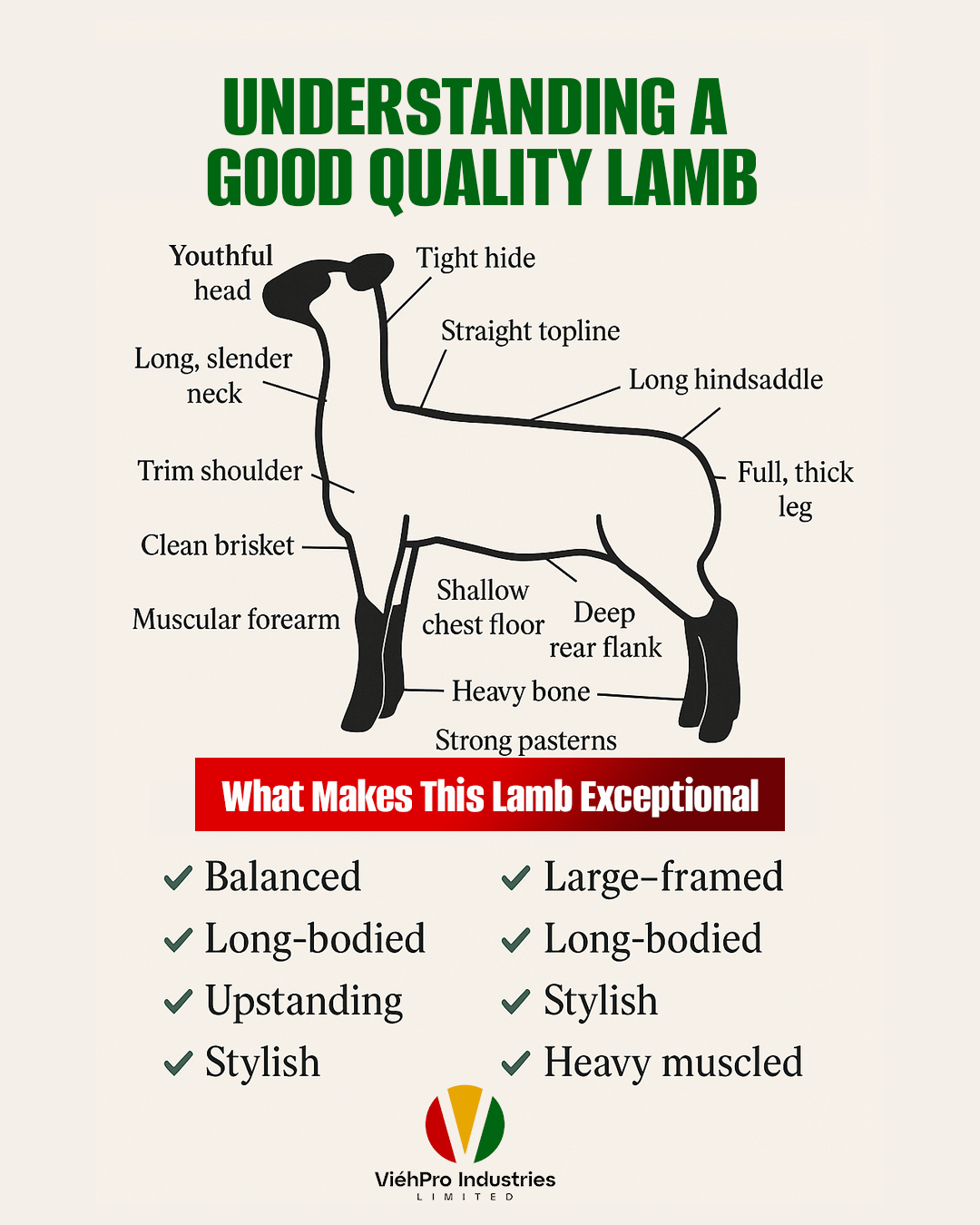
When selecting or evaluating lambs for breeding, showing, or market purposes, there are key physical traits that define a high-quality animal. These traits contribute to the lamb's health, structure, muscle development, and overall productivity. Below is a guide to identifying a good quality lamb:
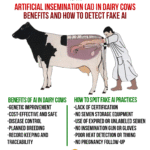
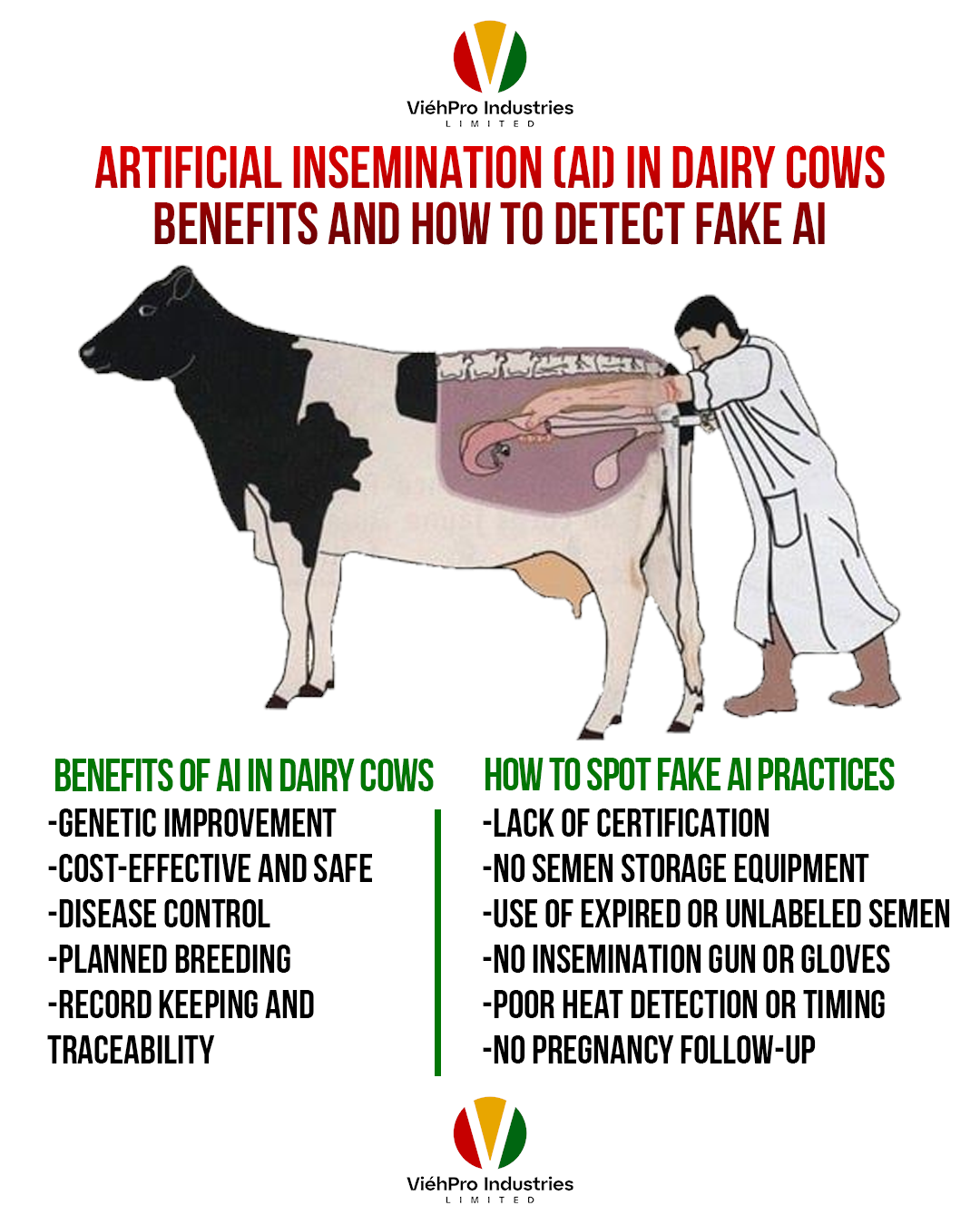
Artificial Insemination (AI) is the process of depositing semen from a selected bull into the reproductive tract of a cow using specialized equipment, rather than through natural mating.
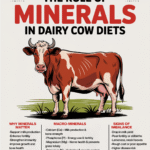
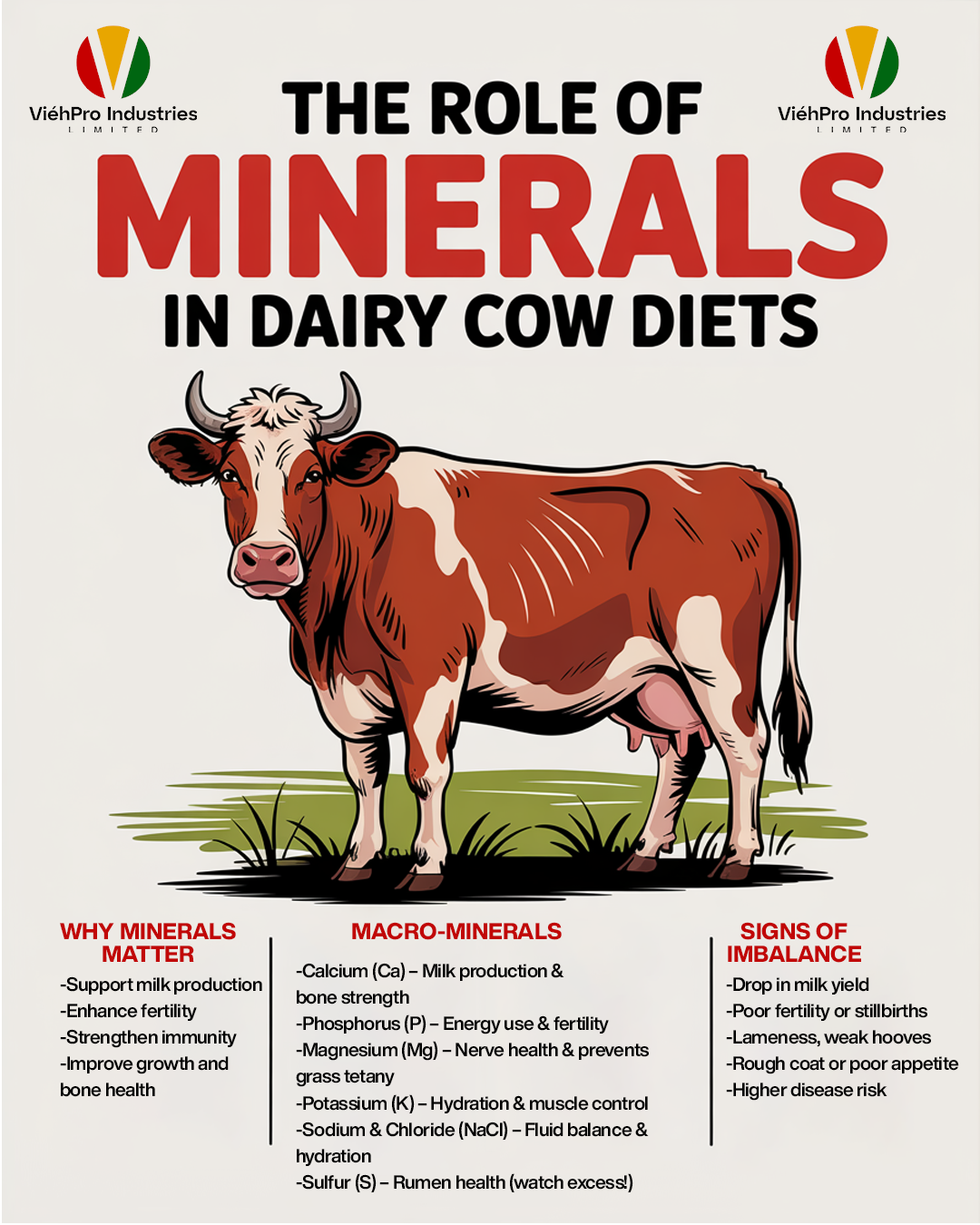
When it comes to dairy farming, most people focus on feed quantity, forage quality, or protein content. But beneath the surface lies a powerful, often underestimated contributor to success: minerals.
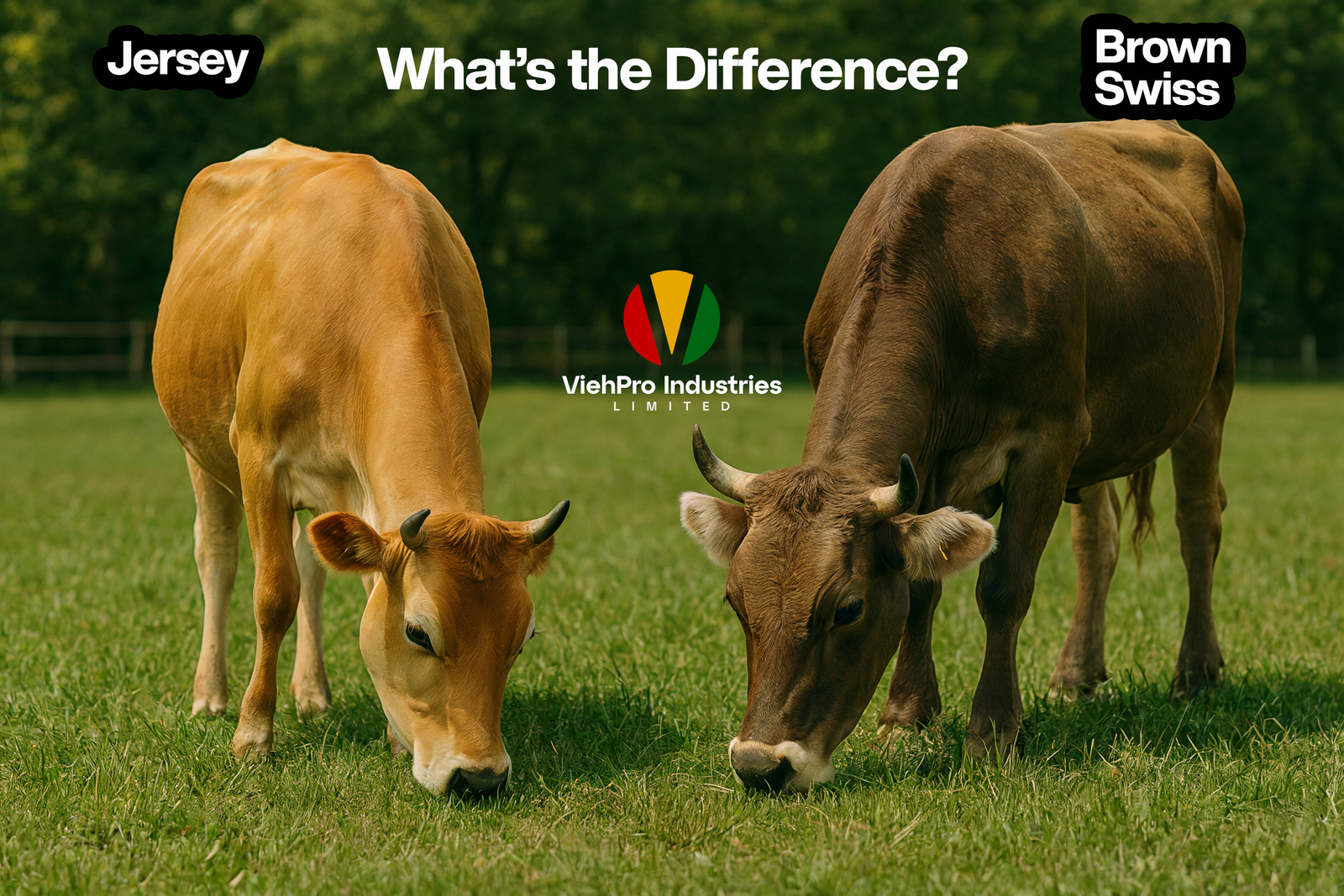
In the world of dairy farming, two breeds often stir up confusion: Jersey and Brown Swiss. At first glance, they both sport light brown coats and sweet, expressive eyes. But if you look a little closer, these cows are quite different, from their size and origin to their milk and temperament. Here's a breakdown that clears the air once and for all.
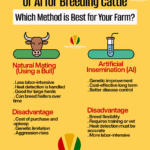
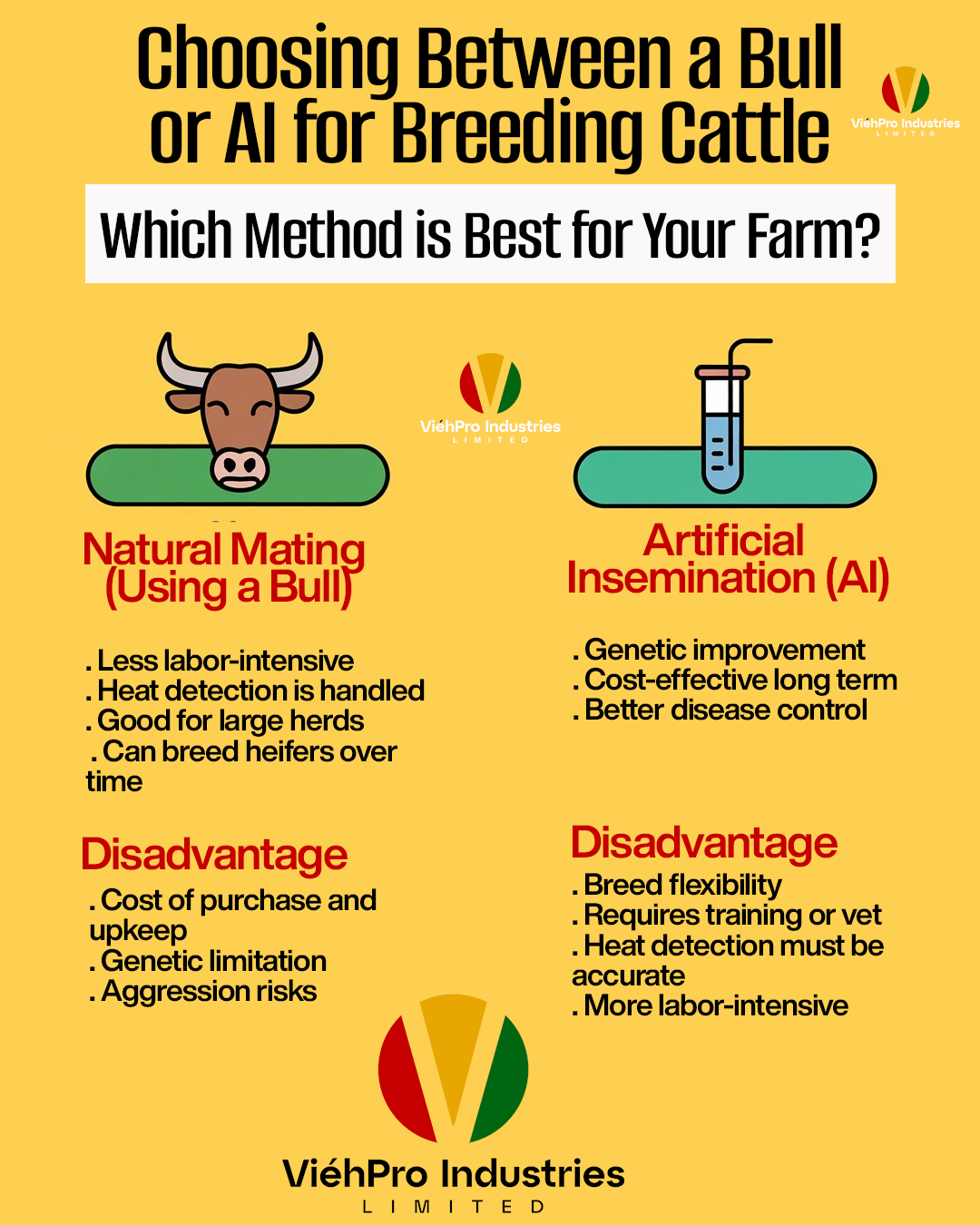
When it comes to breeding your cows, one of the most important decisions you’ll face is whether to use a bull for natural mating or go with artificial insemination (AI). Both methods have pros and cons depending on your goals, resources, and management style. Let’s break it down so you can make the most informed choice for your herd.
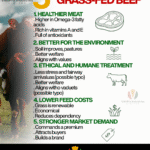
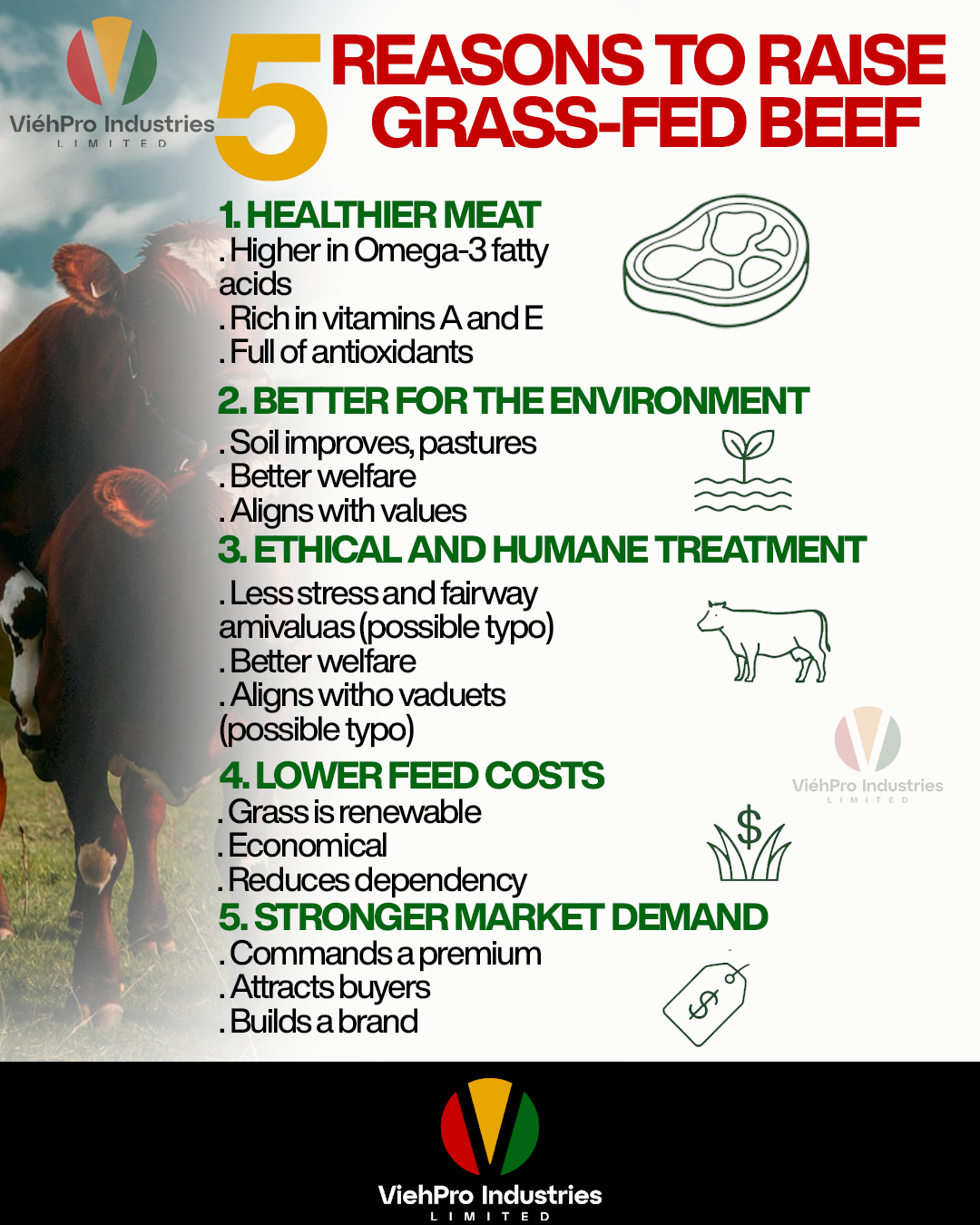
Raising grass-fed beef has been gaining momentum among farmers and homesteaders—and for good reason. Not only is it a more sustainable option, but it also provides health, environmental, and economic benefits. Here are five compelling reasons why raising grass-fed beef might be the right choice for you:
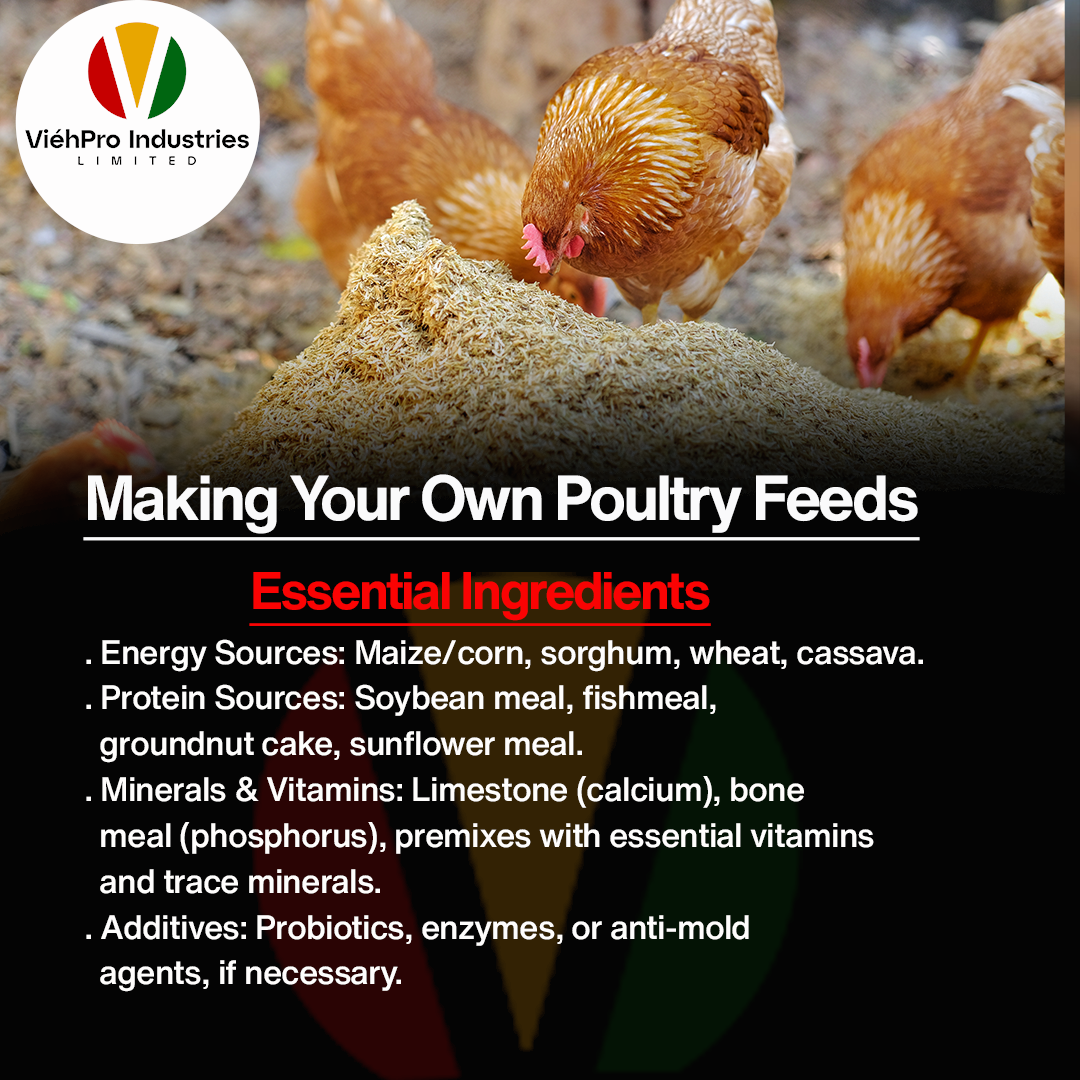
Feed can account for up to 70% of total production costs in poultry farming. Many farmers reduce expenses and gain control over feed quality by formulating their own rations using locally available ingredients
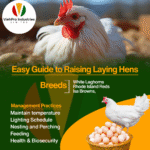
IntroductionLayers are chickens raised primarily for egg production. Efficient layer management can offer a steady stream of income for smallholders and large-scale farmers alike. Understanding key production stages and requirements…
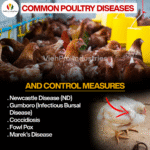
Disease outbreaks can devastate a poultry farm, causing losses in production and income. Knowing common poultry diseases and the best control measures helps ensure a healthy, profitable flock.
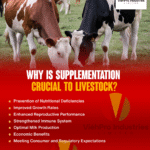
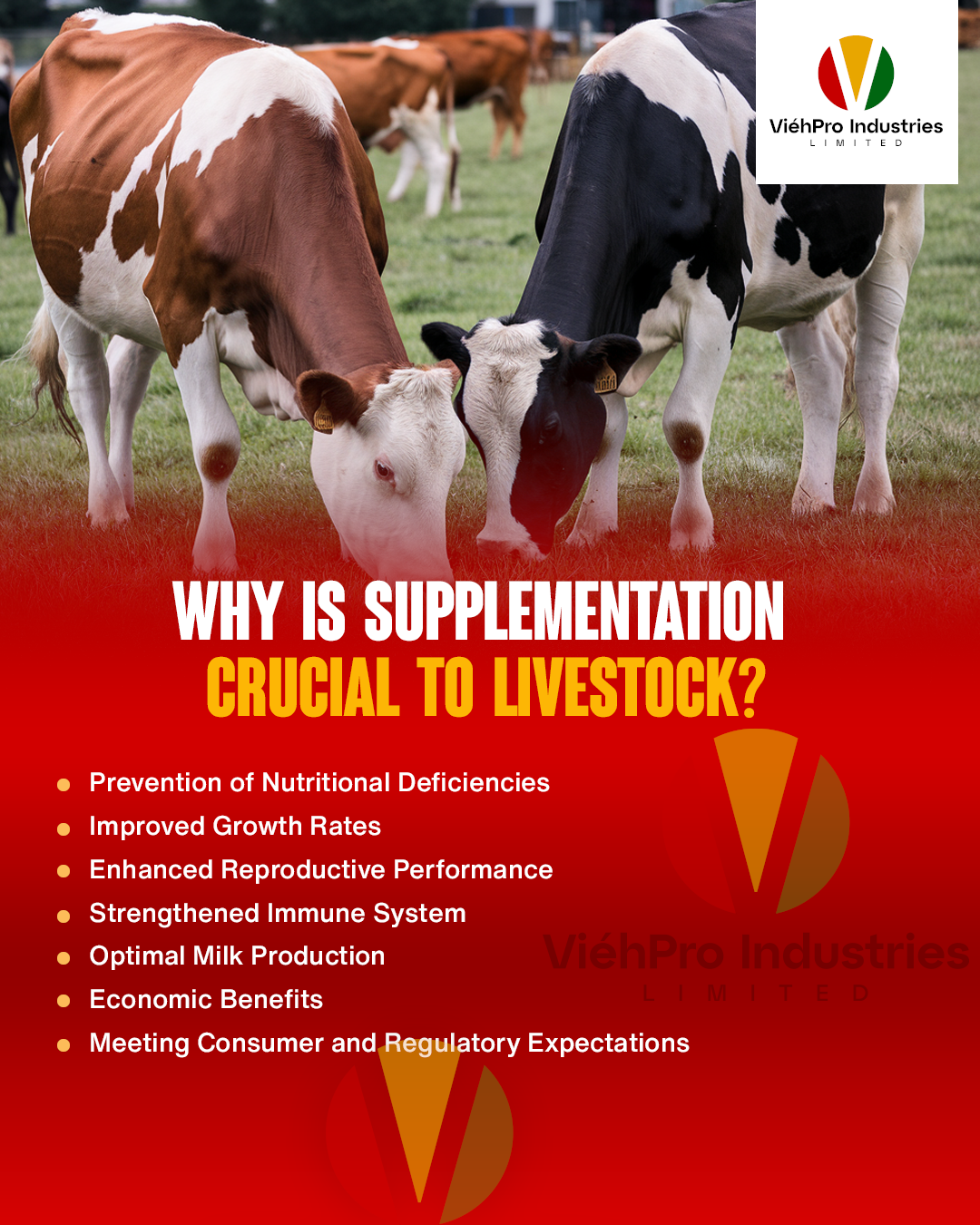
Livestock health and productivity are fundamental to the success of any farm operation. Among the key strategies for maintaining healthy herds or flocks is the use of targeted supplementation—especially minerals, vitamins, and other nutrients that might be lacking in the animals’ primary feed sources. Below are the main advantages of incorporating supplementation in livestock production.
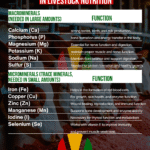
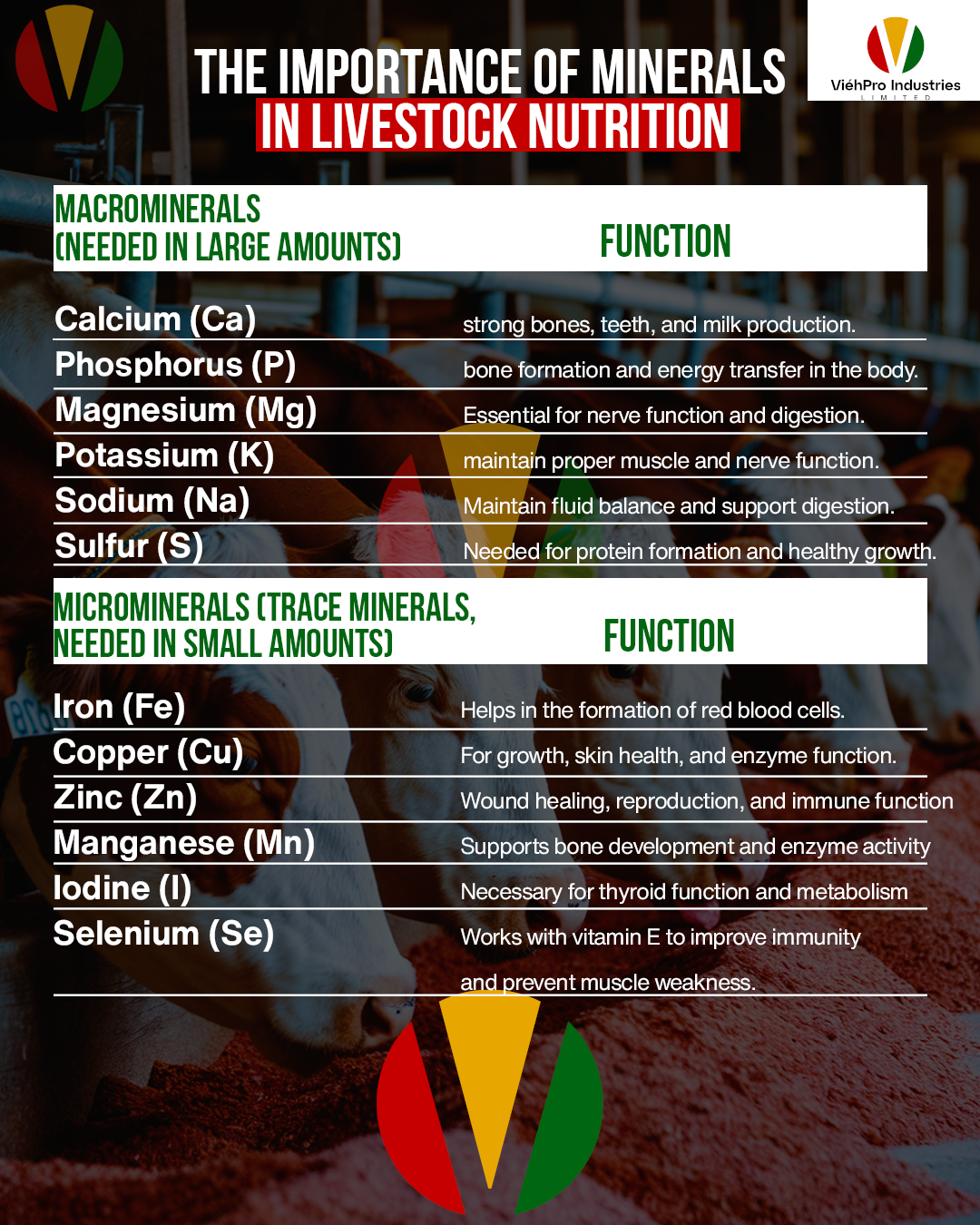
Livestock need a balanced diet to stay healthy, grow well, and produce milk, meat, or eggs. While proteins, carbohydrates, and fats provide energy, minerals play a key role in keeping animals strong and productive. Even though they are needed in small amounts, minerals are essential for various body functions.

Overview of Viéhpro Industries Viéhpro Industries is dedicated to enhancing livestock productivity through innovative animal nutrition solutions. Established with a clear mission, the company strives to provide high-quality mineral licks…
The Importance of Quality Supplements for LivestockHigh-quality supplements are essential in addressing the nutritional challenges faced by livestock, playing a crucial role in their overall health and productivity. Livestock often…
Understanding the Importance of Livestock SupplementsLivestock supplements are crucial for enhancing the overall productivity and health of farm animals. These supplements, which include mineral salts, protein, and energy sources, play…
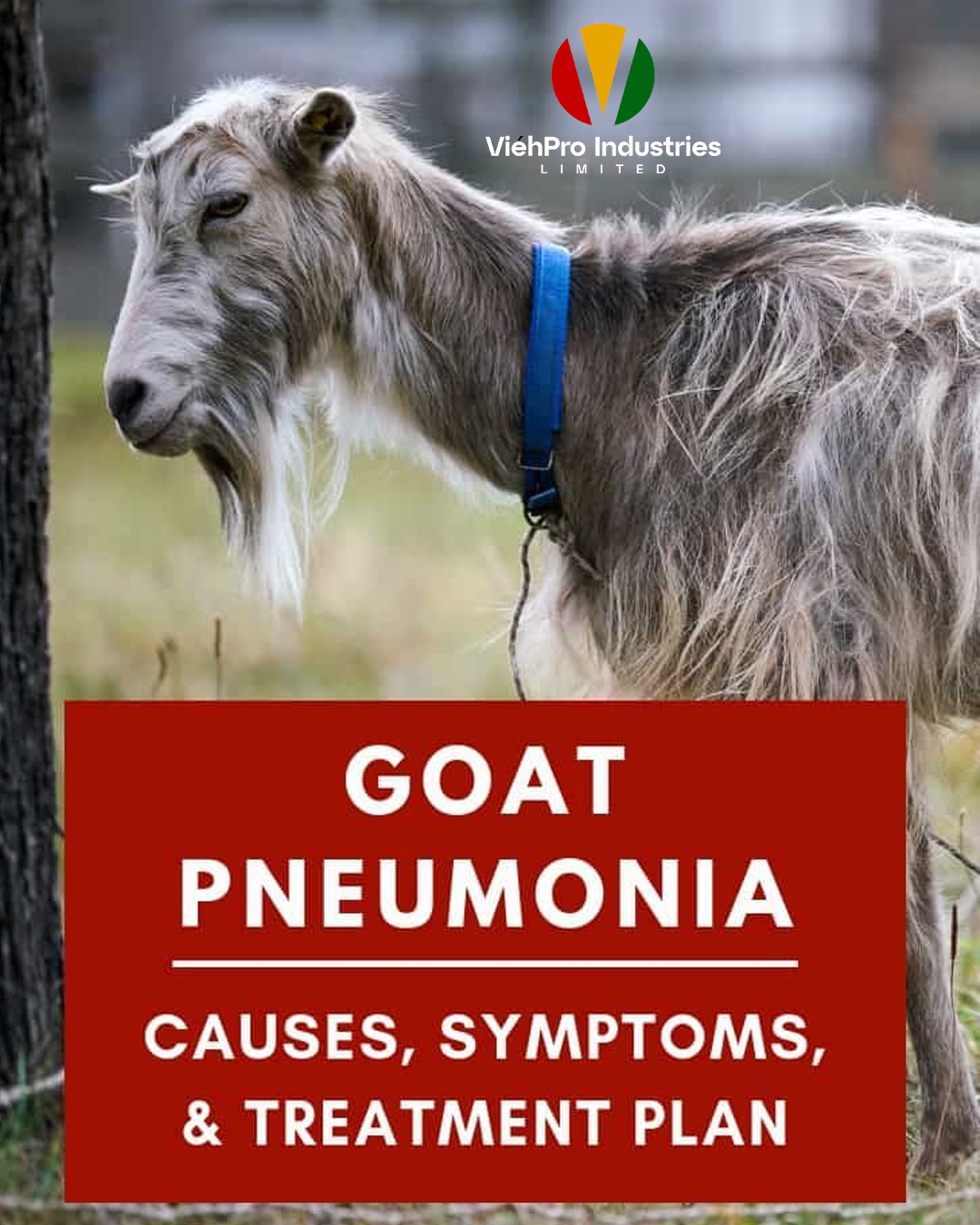
Pneumonia is one of the leading causes of death in goats—and often strikes fast. Knowing how to identify and respond early can save your animals and your farm from heavy losses.
Pine needles may seem harmless, but for pregnant cows, they can be deadly.
When consumed in large amounts, especially during the last trimester of pregnancy, pine needles can cause late-term abortions in cattle.
If you want more milk from your cow, it starts with the plate, not the udder. Feeding isn’t just about quantity, it’s about quality, balance, and timing.
Expanding your poultry business can be rewarding, but only if it’s well thought out. Scaling without a strategy can turn profit into pressure. Here’s what you need to get right before growing your flock: