
The Advantages of Supplementation in Livestock
Livestock health and productivity are fundamental to the success of any farm operation. Among the key strategies for maintaining healthy herds or flocks is the use of targeted supplementation—especially minerals, vitamins, and other nutrients that might be lacking in the animals’ primary feed sources. Below are the main advantages of incorporating supplementation in livestock production.
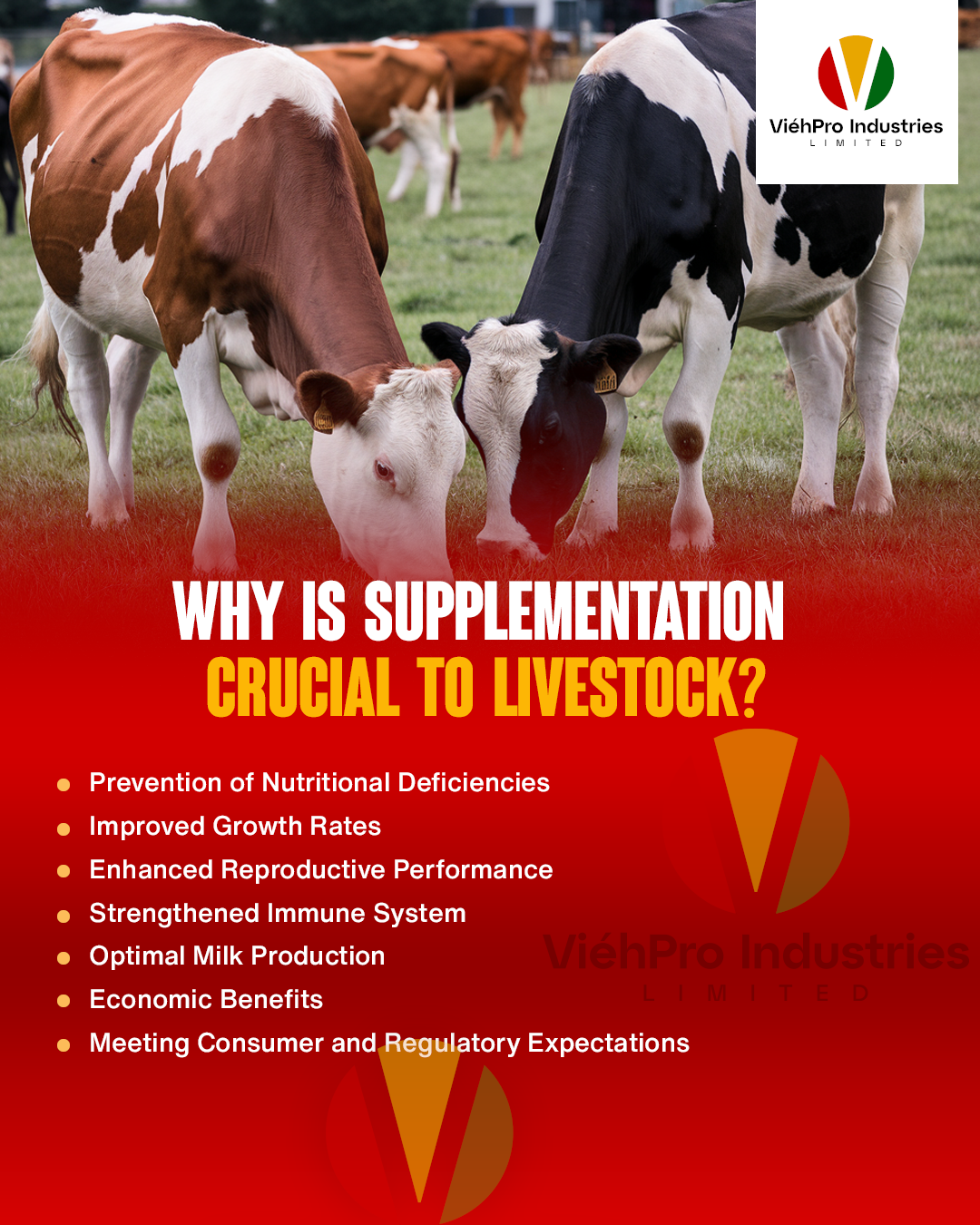
1. Prevention of Nutritional Deficiencies
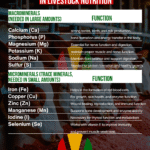
In many regions, natural pastures and feeds often lack sufficient levels of crucial nutrients such as trace minerals (e.g., copper, zinc, selenium), macro-minerals (e.g., calcium, phosphorus), and vitamins (e.g., vitamins A, D, E). When livestock do not receive these nutrients in adequate amounts, they can experience:
- Poor growth and reduced feed efficiency
- Lower immune response, making them susceptible to diseases
- Weakened bones and compromised organ function
By supplementing rations—through mineral blocks, fortified feeds, or specific nutrient mixtures—farmers can prevent nutritional deficiencies and promote overall animal health.
2. Improved Growth Rates
Adequate nutrient intake is directly tied to optimal growth. An animal that receives the proper balance of proteins, energy, vitamins, and minerals can:
- Convert feed to body mass more efficiently, leading to quicker weight gains
- Reach market or breeding weight faster, improving turnover
This is especially important in meat-producing operations, where rapid and healthy weight gain is key to maximizing profitability.
3. Enhanced Reproductive Performance
Reproduction is an energy-intensive process, and deficiencies in essential nutrients significantly affect fertility. Proper supplementation can:
- Improve conception rates and lower rates of reproductive failure
- Support fetal development, increasing the likelihood of healthy offspring
- Shorten the calving or kidding interval, allowing for more efficient breeding cycles
Livestock that are well-fed and adequately supplemented typically show better estrus (heat) cycles and lower early embryonic losses.
4. Strengthened Immune System
Livestock that receive balanced diets and supplemental nutrients have stronger immune systems. This:
- Reduces vulnerability to infections and disease
- Decreases the need for medical interventions, such as antibiotics
- Lowers mortality rates within the herd or flock
In the long run, a healthy animal requires fewer treatments, saving both money and labor while aligning with responsible animal welfare practices.
5. Optimal Milk Production
For dairy animals like cows, goats, and sheep, nutritional deficiencies negatively affect milk yield and quality. Supplementation:
- Ensures sufficient mineral and vitamin intake to maintain high milk production
- Improves milk’s nutritional profile—important for both offspring growth and commercial dairy products
- Prolongs peak lactation periods and helps sustain milk yields
Higher milk production can directly improve profitability for dairy operations.
6. Economic Benefits
While supplementation requires an initial investment, the economic returns come from:
- Higher productivity—more meat, milk, or eggs
- Better overall herd or flock health, reducing veterinary costs
- Improved market value of products, as well as offspring or breeding stock
Efficient feed utilization, faster growth, and reduced losses all contribute to the profitability that proper supplementation can bring to a livestock operation.
7. Meeting Consumer and Regulatory Expectations
Consumers and regulators are increasingly concerned about animal welfare, environmental impact, and the quality of animal products. Proper supplementation:
- Demonstrates responsible animal husbandry, which can enhance a farm’s reputation and market appeal
- Supports the production of nutrient-rich, high-quality meat and dairy products, meeting consumer demands for wholesome and safe food
Additionally, by ensuring livestock are healthy and growing at an optimal rate, farmers can align with industry standards and certifications that require stringent nutritional and welfare practices.
Practical Considerations for Supplementation
- Assess Nutrient Gaps
Conduct feed and forage testing to understand which nutrients are insufficient. By pinpointing exact deficiencies, producers can tailor supplementation programs for maximum benefit. - Choose the Right Form
Supplements can be offered as loose minerals, blocks, fortified pellets, or injections, depending on the animal species, region, and farm infrastructure. - Monitor Intake
Some animals may consume too much or too little of a supplement. Providing consistent access while monitoring consumption ensures livestock receive an optimal balance. - Consult Experts
Work with veterinarians and nutritionists to develop a comprehensive feeding program, especially for specialized groups like pregnant animals, breeding stock, or animals recovering from illness. - Evaluate Costs vs. Benefits
Keep track of productivity and health outcomes to confirm that the chosen supplementation strategy is cost-effective. Adjust as needed based on changes in feed prices, production goals, and herd performance.
Conclusion
Proper supplementation is a cornerstone of efficient and profitable livestock management. By addressing nutrient shortfalls, farmers and producers can enhance growth rates, boost reproductive success, fortify immune systems, and improve overall productivity. With careful planning and expert guidance, strategic supplementation can yield mea